The fashion moments that made 2025 unforgettable
Celebrity red carpets, museum exhibitions, viral outfits, and other huge moments
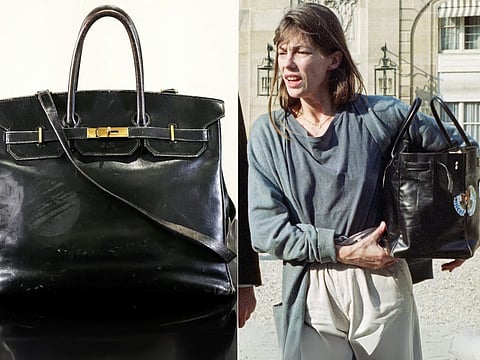
2025 proved that fashion isn’t just about clothes — it’s about moments, memes, controversy, and cultural conversations that spread faster than a viral TikTok. One week, it’s a record-breaking Birkin auction; the next, a K-pop costume turns into Halloween inspiration.
Luxury brands faced calls for accountability, historical craftsmanship finally got its due, and viral streetwear and eccentric accessories became serious cultural currency. Fashion wasn’t just on the runway this year — it was everywhere: on feeds, in debates, in museums, and in global headlines. Celebrities, designers, and even editors shook things up, reminding us that style isn’t just what you wear, but how it intersects with culture, identity, and sometimes chaos.
Whether you’re a dedicated fashion obsessive, a casual scroller, or just here for the drama, 2025 delivered moments that were unforgettable, absurd, and entirely 2025.
1. The Kolhapuri Prada Row
Prada’s runway sandals sparked one of fashion’s biggest controversies of the year. Their Kolhapuri-style leather sandals that debuted in June were inspired by traditional Indian craftsmanship, but the brand initially failed to credit the artisans from Kolhapur, Maharashtra. The backlash was immediate and loud — calling out cultural appropriation and intellectual property oversight. Prada didn’t just issue a statement; they flew to Kolhapur, signed an MoU with local leather associations, and announced a limited “Made in India” collaboration to give proper credit. As for why this mattered — it forced the industry to rethink how inspiration and heritage interact with luxury, turning a footwear faux pas into a lesson in accountability. In 2025, fashion wasn’t just about looking good — it was about doing right.
2. Original Birkin sale smashes records
When an original Birkin sold for an eye-watering sum in 2025, it wasn’t just an auction — it was a cultural event. Collectors, influencers, and even casual internet scrollers were glued to livestreams, refreshing tabs like it was a reality show finale. The sale proved what many already suspected: handbags are now historical artefacts, status symbols, and investment vehicles all at once. Beyond the price tag (an startling $10 million), the moment sparked global conversation about what luxury really means. In 2025, a leather tote wasn’t just about holding your essentials — it was about flexing taste, wealth, and cultural currency in one fell swoop.
3. Giorgio Armani dies
The death of Giorgio Armani at 91 was a somber, industry-wide milestone. Armani’s quiet, elegant vision defined decades of fashion, proving that power, style, and influence don’t need to shout. Tributes flooded social media, runways paused in homage, and everyone remembered how he made tailoring feel effortless. In a year dominated by viral trends and spectacle, Armani’s passing was a reminder that fashion also has legacy — the kind that endures long after Instagram likes fade. For 2025, it was a moment to reflect on how style can shape culture quietly but profoundly.
4. Labubu Is everywhere
Who knew a tiny, ugly-cute collectible could dominate fashion this year? Labubu dolls became impossible to ignore, dangling from designer handbags, accessories, and street style snaps. The appeal was chaos-meets-charm: playful, slightly weird, and completely unbothered by convention. In a season dominated by muted tones and structured tailoring, Labubu was the anti-aesthetic that reminded us that fashion can be fun, messy, and personality-driven. By mid-2025, owning a Labubu wasn’t just a cute choice — it was a statement.
5. Anna Wintour steps down as Vogue EIC
After 37 years at the helm, Anna Wintour stepped down from American Vogue, sending shockwaves through fashion’s power structures. Her reign wasn’t just editorial; it was cultural authority incarnate. Social feeds overflowed with tributes, memes, and speculation about who could fill her shoes — literally and figuratively. In a year obsessed with decentralised influence, her departure signalled a shift in how fashion authority is perceived. The gatekeeper era felt less unshakeable, reminding the world that even the biggest names in style eventually pass the baton.
6. Prada Group buys Versace
Prada Group’s acquisition of Versace for roughly €1.3 billion was a headline-grabbing business coup. Two iconic Italian houses under one roof sparked excitement, skepticism, and endless meme-worthy speculation about future mash-ups. Could Prada’s minimalist elegance coexist with Versace’s maximalist swagger? Fans, analysts, and fashion fans couldn’t stop debating. Beyond financials, the deal became a cultural moment, demonstrating how luxury conglomerates are reshaping heritage brands while still playing with the imagination of trend-hungry audiences.
7. K-pop Demon Hunter costumes go viral
One K-pop stage outfit became 2025’s Halloween MVP. The dramatic, theatrical Demon Hunter costume sparked thousands of recreations online, from carefully thrifted DIY versions to full cosplay masterpieces. Suddenly, fashion inspiration didn’t come from runways — it came from pop culture icons, merging fandom, style, and meme energy. Stylists even riffed on it in street style snaps, proving that in 2025, viral moments could redefine what counts as fashionable for a season — or at least a holiday.
8. Kendrick Lamar’s Celine bell-bottoms
Kendrick Lamar proved that one red carpet appearance can update trends overnight. His Celine bell-bottoms instantly went viral, sparking searches, memes, and imitation across social media. Bell-bottoms — once considered retro and retired — suddenly felt cutting-edge, proving that celebrity influence still has power in an AI-fueled, algorithmic world. It wasn’t just about trousers; it was about reclaiming silhouettes, remixing history, and making luxury feel alive again.
9. The Met explores Black Dandyism
The Met’s Costume Institute made headlines with its exhibition on Black Dandyism, highlighting refined style and cultural history across African and African-diasporic communities. The show wasn’t just about visual spectacle — it was about identity, resistance, and storytelling through clothes. Critics praised it as a pivotal moment for fashion curation, proving that style can educate, inspire, and provoke meaningful conversations about culture beyond aesthetics. In 2025, museums became as influential as runways.
10. The Miss Universe debacle
What was meant to be a glossy celebration of women from around the world quickly unraveled into one of the messiest fashion-pageant moments of 2025. The Miss Universe orientation in Thailand on November 4 became ground zero for the chaos, with walkouts, tears and raised voices sending shockwaves through the fandom. The flashpoint? A heated clash between Mexico’s Fatima Bosch and Nawat Itsaragrisil, the outspoken Miss Universe Thailand national director and Miss Grand International founder. Videos of the exchange spread fast, showing Itsaragrisil shouting while contestants hovered — some confronting the moment head-on, others quietly leaving the room. Reigning Miss Universe Victoria Theilvig publicly backed Bosch, later addressing the media through tears with a message that cut through the noise: women should lift each other up, not tear each other down. Why did it matter? Because it exposed the cracks behind pageantry’s polished facade — reminding everyone that even the most glamorous stages are still deeply human.