From Labubu to brain rot: The biggest internet trends of 2025
A look back at the memes, aesthetics and viral obsessions that shaped online culture
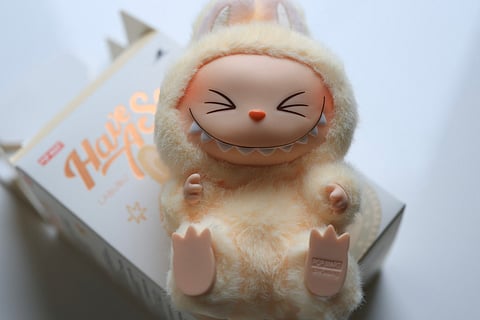
If you blinked in 2025, you probably missed three trends, downloaded a new app, and somehow ended up caring deeply about something you’d never heard of a week earlier. This was the year the internet fully gave up on making sense — and honestly, we went along with it. Trends didn’t build slowly or fade gently; they arrived overnight, took over your feed, and vanished before you’d even worked out why they were funny. One minute it was a strange little doll. The next, a number that meant nothing.
Then suddenly everyone was drinking matcha, blaming cortisol, and asking an AI filter if they were attractive. It was chaotic, comforting, ridiculous and occasionally existential. Some trends were harmless fun, some were pure brain rot, and a few made us quietly question our life choices. But together, they perfectly captured what being online in 2025 felt like — confusing, exhausting, and weirdly entertaining.
1. Labubu dolls craze
Somewhere between “adorable” and “should I be scared of this?” lives Labubu — the little gremlin doll that somehow took over 2025. These weren’t your average cute collectibles. Labubu had teeth. Attitude. A face that said, I bite, but fashionably. And people loved it. Unboxing videos blew up, fans clipped them onto handbags like chaotic accessories, and suddenly celebrities were spotted carrying them like emotional-support creatures. The appeal was obvious: Labubu didn’t try to be perfect. It was weird, expressive, and full of personality — basically the anti-aesthetic aesthetic. In a world obsessed with clean lines and curated feeds, Labubu felt rebellious. Owning one was like saying, “I’m cute, but I have layers.” Slightly unhinged layers.
2. The “6-7” / “67” Meme
If you didn’t get it, congratulations — that meant it was working. “6-7” (or just “67”) made absolutely no sense, and that was the entire joke. People dropped it into comment sections like a digital mic drop. Serious video? “67.” Emotional storytime? “6-7.” Anyone asking what it meant was immediately exposed as someone who was trying too hard. The humour lived in confusion. It was low effort, chaotic, and deeply unserious — the internet’s way of saying, “We’re just here for vibes.” Brands tried to jump on it and instantly killed the fun. But for a brief moment, the internet agreed on one thing: numbers are funny when you refuse to explain them.
3. AI art trends (Ghibli and prompt-to-post)
2025 was the year everyone turned into an artist without knowing how to draw. AI art exploded, especially dreamy Studio Ghibli–style portraits that made ordinary selfies look like scenes from a gentle animated film about self-discovery. Suddenly, everyone was a soft anime character staring thoughtfully into the distance. Even more viral? People sharing the exact prompts they used, like recipes for creativity. It was inspiring, slightly unsettling, and very addictive. Was it art? Was it cheating? Was it weird that the AI captured your “vibe” better than you could? All valid questions. But mostly, it was fun — and it turned social media into a giant, slightly existential art gallery.
4. Dubai chocolate trend
One video. That’s all it took. A glossy chocolate bar cracking open to reveal knafeh filling, pistachio cream, and pure drama. Suddenly, Dubai chocolate was everywhere. People queued for it, travelled for it, and tried (with mixed results) to recreate it at home. Brands like “Can’t Get Knafeh of It” became global obsessions overnight. This wasn’t just about flavour — it was about texture, sound, and the perfect snap. Dubai once again proved it doesn’t do anything halfway, including dessert. By the end of the year, Dubai chocolate wasn’t just food — it was a flex, a souvenir, and the reason pistachios were suddenly expensive.
5. Brain Rot
“Brain rot” was the internet admitting, collectively, that we might be a little fried. It described that feeling of watching so much short-form content that your brain struggles to focus on anything longer than 30 seconds. People joked about needing subway gameplay under every video or zoning out halfway through a sentence. The memes leaned into chaos — overstimulation on top of overstimulation — because if you’re already cooked, you might as well laugh about it. “Brain rot” wasn’t self-hate; it was self-awareness. A way of saying, “Yes, this is bad for us, but also… did you see that video?”
6. TikTok’s AI vs human filter
This filter caused more internal debates than most therapy sessions. TikTok’s AI vs Human filter showed two versions of you side by side — one supposedly designed by AI, one completely you. Reactions ranged from pride to shock to mild identity crisis. Some people liked the AI version more (awkward). Others felt weirdly validated seeing their real face labelled as “human.” Comment sections turned into deep discussions about beauty standards, algorithms, and whether AI was low-key bullying us. It was entertaining, uncomfortable, and impossible to scroll past — classic TikTok. More than anything, it showed how deeply tech has crept into how we see ourselves.
7. Aura farming
Aura farming was about doing the least and somehow being the most powerful person in the room. Minimal movement. No explanation. Just standing there with quiet confidence while the world buzzed around you. The joke, of course, was that “effortless cool” actually took effort. Carefully chosen outfits, intentional silence, and perfectly timed nonchalance. Creators exaggerated it for humour, but the trend stuck because it felt refreshing. In an internet that’s loud and desperate for attention, aura farming whispered, “I don’t need to prove anything.” And honestly? That energy hit.
8. Dubai AI haircut pods
Only Dubai could turn a haircut into a sci-fi moment. AI haircut pods promised perfectly tailored styles using facial scans and algorithms — no awkward small talk required. TikTok loved watching people step into sleek capsules and come out with flawless cuts. Was it convenient? Absolutely. Was it slightly dystopian? Also yes. Hairdressers had opinions. People had questions. But the fascination was undeniable. It felt like the future — polished, efficient, and just dramatic enough to film. Whether it’s a novelty or the next big thing, one thing’s certain: even your haircut wasn’t safe from AI in 2025.
9. Matcha mania
Matcha wasn’t just a drink in 2025 — it was a personality. Soft lighting, ceramic mugs, bamboo whisks, and captions about “gentle energy.” Matcha replaced coffee as the calm, aesthetic choice for people who wanted caffeine without the chaos. People debated grades and milk choices like it was a moral issue. Even those who hated the taste admitted it looked good. Cafés leaned in, brands leaned harder, and suddenly everything was green. Matcha mania wasn’t really about flavour — it was about slowing down (or at least pretending to).
10. Cortisol detox
If TikTok is to be believed, cortisol was responsible for all human suffering in 2025. Stress? Cortisol. Bloating? Cortisol. Bad vibes? Definitely cortisol. “Cortisol detox” routines promised calmer lives through supplements, teas, and very specific morning habits. While science quietly side-eyed the whole thing, the trend thrived because it spoke to burnout. People weren’t trying to hack hormones — they were trying to feel better. Cortisol detox wasn’t about biology; it was about hope. And maybe, deep down, just wanting permission to rest.