Gold duty hike: UAE families save big carrying 140g legally when travelling to India
India’s 15% import duty hike is widening the Dubai-India gold price gap for travellers
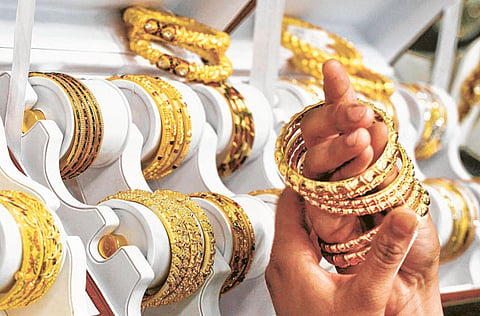
Dubai: Indian families in the UAE are increasingly recalculating wedding and holiday gold purchases after India raised import duties on gold and silver to 15%, sharply widening the price gap between Dubai and Indian markets.
Get updated faster and for FREE: Download the Gulf News app now - simply click here.
That gap is becoming especially important for Indian expatriate families travelling home during the summer holiday period and the upcoming NRI wedding season in July and August. Many are now choosing to complete wedding jewellery purchases in Dubai before flying, rather than buying in India after arrival.
Legally maximise allowances
Under existing Indian customs rules for eligible overseas passengers, women can carry up to 40 grams of gold jewellery duty-free, while men can carry up to 20 grams. That means a travelling family can collectively carry substantially larger quantities legally depending on family composition.
A husband and wife can together carry up to 60 grams duty-free. Add an adult daughter and the allowance rises to 100 grams. A family with two eligible women and two men can collectively carry up to 120 grams, while some larger family combinations can reach 140 grams or more.
At current Dubai gold rates on May 14, 2026 — Dh566.50 per gram for 24K, Dh524.75 for 22K, Dh503 for 21K and Dh431.25 for 18K gold — a family collectively carrying 140 grams of jewellery could be transporting gold worth well over Dh73,000 at today’s 22K prices alone. (Check latest forex rates here.)
Dubai prices versus Indian prices
With Indian gold import duties now raised to 15%, alongside local taxes and generally higher making charges, the overall cost of buying wedding and family jewellery in India is expected to rise further.
That widening gap is becoming more noticeable as global gold prices remain near record highs. For families purchasing 100 grams or more for weddings, engagements, or gifting, the difference could translate into savings worth several thousand dirhams when buying in Dubai instead of India.
Dubai also continues to hold structural pricing advantages beyond the duty differential. Investment-grade gold bars in the UAE remain VAT-free, tourists can reclaim VAT on jewellery purchases, and making charges are often lower than in many other markets. Jewellers also point to strict UAE oversight on gold purity standards as an added draw for buyers.
Rush in summer travel purchases
The timing of India’s duty increase coincides with one of the busiest travel periods for Indian expatriates in the Gulf. School holidays, summer leave, and the NRI wedding season typically drive a sharp increase in jewellery buying across the UAE between June and August.
Retailers say many residents are now advancing purchases to lock in Dubai pricing before travelling home, especially for bridal jewellery and family gifting. Some jewellers expect one of the strongest summer demand periods in recent years as Indian buyers increasingly view Dubai as a more cost-effective jewellery shopping destination after the duty hike.
The UAE’s wider selection is also adding to the appeal. Retailers say GCC shoppers have access to jewellery sourced from more than 20 countries and hundreds of thousands of designs, while rising import duties may make international collections more expensive in India.
What travellers must remember
Indian customs rules continue to distinguish between jewellery and bullion products such as gold bars and coins.
Passengers carrying quantities beyond the permitted allowance must declare them on arrival and pay applicable customs duty. Travellers are also advised to retain invoices and purity certificates for customs verification.
For many UAE-based families, though, the calculation has become increasingly simple: with Indian gold prices expected to rise further after the latest duty increase, buying jewellery in Dubai before summer travel could now offer noticeably better value than in previous years.


