Dubai gold prices fall after midweek surge, giving shoppers some relief
Dubai 24K fell Dh3.50 on Thursday and is Dh16.75 below its July peak
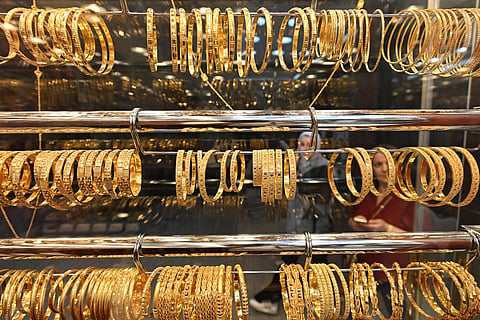
Dubai: Dubai gold prices moved lower on Thursday morning, reversing the increase recorded a day earlier and offering shoppers a modest reduction in rates.
The 24-karat variety stood at Dh486.25 per gram at 9.25 am, down Dh3.50 from Dh489.75 on Wednesday. The 22-karat variety fell by Dh3.25 to Dh450.25 from Dh453.50.
Get updated faster and for FREE: Download the Gulf News app now - simply click here.
Thursday’s decline leaves 24-karat gold Dh16.75 below its July high, while 22-karat gold is Dh15.75 cheaper than its highest level this month.
Gold remains below July peak
Gold began July at Dh489.75 per gram for 24-karat and climbed above Dh500 by July 3, before reaching a monthly high of Dh503 on July 4 and July 5.
The 22-karat variety followed a similar path, rising from Dh453.50 at the beginning of the month to a July peak of Dh466.
Prices then moved lower, with 24-karat gold falling to Dh483.50 on July 13 and 22-karat gold dropping to Dh447.75. Both varieties recovered over the following two days before giving up part of those gains on Thursday.
Compared with the beginning of July, 24-karat gold is now Dh3.50 cheaper per gram, while the 22-karat rate is down Dh3.25.
A buyer purchasing 10 grams of 24-karat gold would pay Dh35 less than on Wednesday and Dh167.50 less than at the monthly peak, before jewellery-making charges and taxes are added.
Middle East tensions weigh on bullion
International gold prices also declined after the United States completed its latest round of strikes on Iran, deepening concerns over the conflict and its impact on energy prices and inflation.
Bullion fell by as much as 0.9% to near $4,025 an ounce after US President Donald Trump pledged to intensify the strikes until Tehran stopped attacking vessels in the Strait of Hormuz and agreed to reopen the waterway.
The interim peace agreement signed last month has largely broken down, while oil prices rose for a fourth consecutive day on Thursday.
Higher oil prices could keep inflation elevated and influence the US Federal Reserve’s interest-rate decisions, creating pressure for gold because the metal does not offer investors regular income.
Gold holds near $4,000
Gold has remained close to $4,000 an ounce in recent weeks after falling 14% during the second quarter, its weakest quarterly performance since 2013.
The decline followed expectations that the Federal Reserve could raise interest rates to control inflation caused by the war and higher energy costs.
US producer price inflation data released on Wednesday was softer than expected, showing that underlying price pressures had eased before the latest escalation in the Middle East.
The reading may give the Federal Reserve more time to assess the economy, although a continued rise in energy prices could complicate that outlook.
Federal Reserve Chairman Kevin Warsh has said interest rates remain among the tools available to control inflation, while indicating that policymakers can remain patient before deciding their next move.
- With inputs from Bloomberg.