How a BTS concert could boost tourism, travel and spending across MENA
A BTS tour could drive tourism inflows, airline demand and lasting cultural appeal
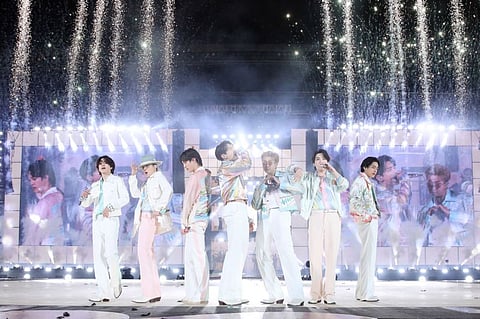
Dubai: Few global shows command the kind of cross-border pull that BTS does. A potential tour stop in cities such as Dubai or Riyadh would test the Middle East’s growing ambition to convert entertainment into a durable economic engine.
BTS sits in a rare category of cultural exports that mobilise international travel decisions. Fans plan trips around tour dates, often extending stays and travelling in groups. That dynamic matters for a region investing heavily in tourism capacity, aviation connectivity and large-scale venues.
Short-term gains would be immediate and visible across travel, hotels and consumer spending. Longer-term impact would depend on how well host cities turn a single cultural moment into repeat demand.
Tourism spikes and packed flights
A BTS concert would trigger an instant surge in international arrivals, particularly from Asia, Europe and across the wider MENA region. Strong regional air connectivity makes short-haul travel easy, amplifying the scale of inflows.
“Their concerts will bring with them an immediate spike in international arrivals, hotel occupancy, and airline bookings for scheduled performance dates,” said Dr Ross Curran, Associate Professor at Heriot-Watt University Dubai.
Hotels near venues would likely see near-full occupancy, with premium pricing during performance windows. Airlines would benefit from higher load factors, while airports would see traffic lift beyond normal seasonal patterns.
Spending would extend well beyond ticket sales. Dining, retail, ride-hailing and paid attractions typically see a sharp upswing around major concerts, creating a broad consumption ripple.
Winners across hospitality and services
Hospitality, aviation and retail would capture the most direct surge, though the economic footprint would spread wider. Restaurants, food suppliers, transport operators and telecoms providers all tend to benefit from concentrated visitor flows.
“Across the tourism and hospitality industry, we would expect to see a trickle-down effect,” Curran said, noting that capacity constraints in certain districts could shape how evenly gains are distributed.
Large-scale events also test a city’s operational maturity. Crowd management, transport flows and the ability to host parallel business activity matter. Regional experience in handling mega-events suggests disruption risks would be manageable.
“Given the experience within the Middle East at hosting mega-events, this is not likely to be a concern,” Curran added.
The bigger prize sits beyond a single weekend of sold-out shows. Hosting a globally recognised act reinforces a city’s reputation as a credible entertainment hub, influencing future travel decisions.
“In the long-term, hosting a BTS concert would support positioning a host city as an entertainment hub, encouraging repeat visits and longer stays,” Curran said.
Cities that successfully build an events calendar around music, sport and festivals tend to convert episodic spikes into recurring tourism flows. Venue quality, safety perceptions and ease of travel all feed into that equation.
As important as the economic benefits would be the significant social benefits to the population, were a BTS concert to be held in the Middle-East, which enables a generation of predominantly younger fans the opportunity to engage in a unique and shared experience.

There is historical precedent. Global tours have reshaped cultural identities of destinations, from Liverpool’s enduring association with the Beatles to London’s role as a magnet for world tours. Iconic performances can leave reputational legacies that outlive the event itself.
A social dividend alongside the economic one
Economic returns are only part of the picture. Large-scale cultural events carry social weight, particularly in a region with a young, globally connected population.
“Participation in concerts and events such as these has been shown to promote well-being and happiness amongst attendees,” Curran said.
That softer dividend supports broader policy goals around quality of life, creative industries and youth engagement. When aligned with tourism strategy, it strengthens the case for culture as an economic asset rather than a discretionary add-on.