Travel scams soar as cybercriminals target Emirates, booking sites
Holidaymakers advised staying alert as fraudsters exploit trusted airlines
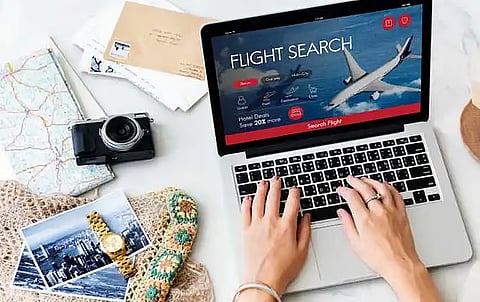
Dubai: Planning a holiday could expose travellers to more than just flight delays and lost luggage.
Cybersecurity experts are warning that scammers are increasingly targeting people booking flights, hotels and transport online, using fake websites and apps that mimic trusted travel brands to steal payment details, banking credentials and personal information.
Get updated faster and for FREE: Download the Gulf News app now - simply click here.
According to cybersecurity company Kaspersky, its security solutions detected nearly 270,000 cyberattack attempts disguised as well-known travel brands between the second quarter of 2025 and the first quarter of 2026. The findings come as millions of people travel during the global holiday season, when cybercriminals typically intensify phishing campaigns and online fraud.
Impersonated brand
The research found that Emirates was the most impersonated transport brand, accounting for 61% of all transport-related phishing detections, followed by Uber at 37%. The attacks relied on fake airline websites, fraudulent ride-hailing platforms and deceptive booking pages designed to trick users into revealing sensitive financial information.
The report highlights how modern travel planning, often involving multiple apps, websites and devices under the pressure of securing the best fares, has created ideal conditions for cybercriminals.
Banking credentials
Kaspersky said the majority of malicious files linked to transport brands were Trojans (30.5%), followed by Trojan-Banker malware (22.5%), which is specifically designed to steal banking credentials and payment information.
“The attackers are not just interested in travellers’ booking details; in many cases, they are aiming directly for their bank accounts,” the company said.
Fake compensation
Among the scams identified was a phishing campaign impersonating Irish airline Ryanair, where victims received messages claiming they were entitled to flight compensation. They were then urged to quickly submit account details or pay a small “processing fee” before the supposed offer expired.
Kaspersky said the scam relies on artificial urgency, noting that legitimate airlines do not demand upfront payments to process refunds or compensation claims.
Researchers also uncovered fraudulent websites mimicking Booking.com, where unsuspecting users entered their personal and payment details believing they were confirming accommodation reservations. Victims often discovered the fraud only after arriving at their destination to find no booking had been made.
Travel accounts
Beyond airlines and transport services, Kaspersky recorded 5,414 cyberattack attempts targeting travel and accommodation platforms during the same period.
These accounts often contain payment information, passport details, booking histories and personal conversations with hotels or tour providers, making them attractive targets for cybercriminals.
More than half (54.6%) of the threats associated with travel service brands involved Trojan malware.
Why travellers are vulnerable
Evgeny Kuskov, Lead Security Researcher at Kaspersky, said travel brands occupy “a unique intersection of trust, urgency and payment activity”, making them particularly attractive to scammers.
People searching for flights or rides often compare prices across several websites and are under pressure to complete bookings quickly, increasing the likelihood of clicking fraudulent links or fake offers, he said.
With travel becoming increasingly digital, cybersecurity experts warn that vigilance online is now as essential as carrying a passport, reminding holidaymakers that a few extra seconds spent verifying a website could prevent significant financial losses and identity theft.
How to protect yourself
Book flights and accommodation only through official websites or mobile apps.
Verify website addresses carefully before entering payment information.
Be cautious of heavily discounted deals or offers that demand immediate action.
Use strong, unique passwords and enable multi-factor authentication.
Download travel apps only from official app stores.
Regularly monitor bank and credit card statements for suspicious transactions.
Scan QR codes only from trusted sources.
Avoid accessing sensitive accounts over unsecured public Wi-Fi unless using a trusted VPN.