UK PM says Iran war must end — and backs deal to reopen Strait of Hormuz
Burnham highlights energy crisis impact, calls for Middle East peace
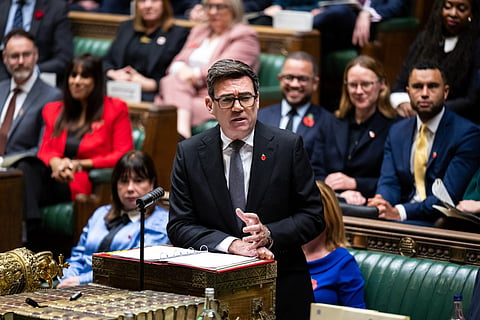
LONDON: British Prime Minister Andy Burnham warned that prolonged conflicts in the Middle East is driving up energy prices and hurting ordinary people.
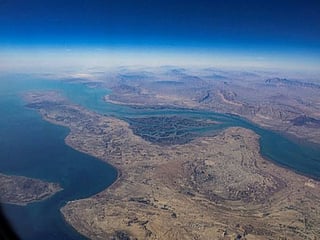
On Monday (Nov. 16) , Burnham said that Britain was supporting mediators seeking an agreement to end the war with Iran, reopen the Strait of Hormuz and prevent Tehran from developing a nuclear weapon.
“We cannot allow Iran to have a nuclear weapon, nor to massacre their own people and threaten the region unchecked,” Burnham said at the Lord Mayor’s Banquet in London.
Get it: Fast, verified news for FREE ... download the Gulf News app — simply click here
Burnham said the war could not continue indefinitely because of its impact on energy prices and the financial burden on households.
“So we are working to support the mediators in securing an agreement that ends the war, reopens the Strait of Hormuz and prevents Iran developing a nuclear weapon,” he said.
Conflicts drive inflation
The Strait of Hormuz is a vital route for global oil and gas shipments. Its closure during the conflict has contributed to higher energy and commodity prices, affecting households and businesses across the world.
Burnham said the conflict in the Middle East, alongside Russia’s invasion of Ukraine, had contributed to rising food and fuel prices, disproportionately affecting lower-income households.
For the UK, the war is both a security and economic issue. Higher energy prices feed directly into inflation, bills and the cost of living.gov+1
For the region, the reopening of the Strait of Hormuz would ease pressure on shipping, trade and energy markets. It would also reduce the risk of a wider war.
UK working with mediators, partners
Burnham said Britain would continue working with mediators and regional partners to secure an agreement. He also said the UK would collaborate with Israel to promote peace and security in the Middle East.gov+1
The key question is whether the mediators can secure a deal that ends the war, reopens the strait and prevents Iran from developing a nuclear weapon.
For British households, the message is clear: the war is not just a distant conflict. It is affecting bills, food prices and everyday life.
For the Middle East, it is a signal that Britain wants de-escalation and a diplomatic solution, even as it maintains pressure on Iran over nuclear and human rights concerns.