UK forces destroy 7 Iranian attack drones in one night amid Middle East tensions
RAF drone aces strike again: British forces shoot down drones to shield allies
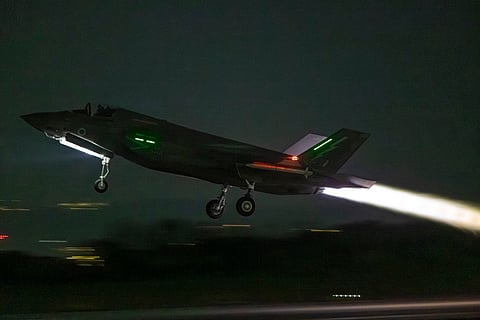
The RAF Regiment Gunners successfully engaged and destroyed 7 one-way Iranian attack drones overnight using ground-based counter-drone systems, according to the UK Ministry of Defence.
In its March 29 operational update on defensive missions in the Middle East, the ministry also stated the mission continues.
The Royal Air Force (RAF) also pointed to new generation of first-ever “drone aces” in history (five or more confirmed kills).
Key highlights from the 29 March 2026 briefing:
UK Typhoon and F-35 Lightning jets conducted continuous defensive air patrols overnight across multiple allied nations, including Jordan, Qatar, Bahrain, and the United Arab Emirates.
Royal Navy Wildcat helicopters maintained maritime patrol operations over the Eastern Mediterranean.
Defensive operations: Drone aces
The MoD update emphasizes the purely defensive nature of these missions to protect British interests, allies, and regional stability.
This follows the previous day's announcement that RAF Regiment gunners had become the first-ever “drone aces” in history, those who made five or more confirmed kills, underscoring a sustained high tempo of counter-drone activity.
Why the UK is fighting drones in the Mideast
The UK’s operations are part of a wider defensive coalition response amid escalating conflict involving Iran, its proxies, the US, Israel, and regional partners.
Since early March 2026, Iranian forces and allied militias have launched repeated waves of “one-way attack drones” (kamikaze-style UAVs, often Shahed derivatives) targeting Gulf states, Jordan, and Israeli-linked assets.
Updates from the Uk Ministry of Defence:
UK deployments: Three RAF squadrons are active — Typhoons from 12 and 2 Squadrons (Qatar and Cyprus bases) and F-35Bs from 617 Squadron (Akrotiri). British pilots have already logged over 1,150 flight hours in these defensive missions.
Firsts for the RAF: F-35Bs scored their first-ever air-to-air kills in RAF service against Iranian drones over Jordan in early March. Ground-based RAF Regiment teams have now racked up dozens of drone intercepts, including a record 14 in a single night earlier this month, according to defence magazine Janes.
Broader mission: These actions support US-led efforts, protect critical shipping lanes and allied airspace, and deter further Iranian escalation. The UK has explicitly framed all activity as defensive — no strikes on Iranian territory have been announced by London.


