Modi, Trump discuss Mideast: Indian leader calls for de-escalation, open Hormuz
Indian leaders calls for de-escalation and open Strait of Hormuz
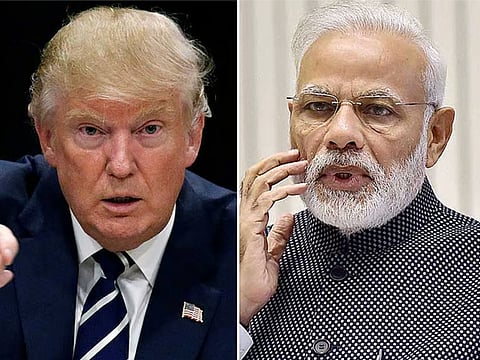
In a timely diplomatic outreach amid rising global concerns over energy security, Indian Prime Minister Narendra Modi received a telephone call from US President Donald Trump.
Modi shared details of the conversation on X, describing it as a “useful exchange of views on the situation in West Asia.”
India reaffirmed its support for immediate de-escalation and the restoration of peace, while stressing that “ensuring that the Strait of Hormuz remains open, secure and accessible is essential for the whole world.”


The leaders agreed to stay in close contact on efforts to promote stability in the region.
The call underscores the close coordination between New Delhi and Washington on Middle East affairs at a moment when the 2026 Strait of Hormuz crisis threatens global oil and LNG supplies.
Dialogue over conflict
India, which imports a substantial share of its energy from the Gulf, has consistently advocated for dialogue over conflict in recent weeks.
The strait — a narrow waterway through which roughly 20% of global oil trade and significant LNG volumes pass — has seen traffic plummet, triggering sharp spikes in energy prices and supply disruptions worldwide.
Trump had earlier issued ultimatums to Tehran demanding the reopening of the strait, extending deadlines while warning of further strikes on Iranian infrastructure.
Multiple rounds of regional diplomacy have followed, with world leaders — including Modi — urging restraint to prevent broader economic fallout.
India has simultaneously engaged Iran, Qatar, Jordan, and other Gulf partners, emphasising the protection of energy infrastructure and the need for urgent de-escalation.
Strategic stake, diplomatic role
For India, the stakes are high.
Any prolonged closure of the Strait of Hormuz directly affects fuel prices, inflation, and economic growth at home.
Modi’s government has balanced strong ties with the US and Israel with longstanding relations in the Arab world and Iran, positioning New Delhi as a pragmatic voice for peace rather than escalation.
The Trump-Modi call reflects this approach: acknowledging US concerns while prioritising global commons like secure sea lanes.
Strategic alignment
The conversation forms part of broader India-US strategic alignment under the Quad and Indo-Pacific frameworks, now extending to West Asian stability.
Both sides are expected to remain engaged as international efforts intensify to reopen the strait and prevent further military confrontation.
This development arrives just as oil markets watch closely for any breakthrough — or breakdown — in reported US-Iran negotiations.
Modi’s public statement signals continuity in India’s foreign-policy priority: safeguarding energy security through diplomacy while reinforcing its image as a responsible global stakeholder.


