Norway paper under fire over Modi ‘snake charmer’ cartoon
Cartoon sparks backlash in India over racist stereotypes and colonial imagery
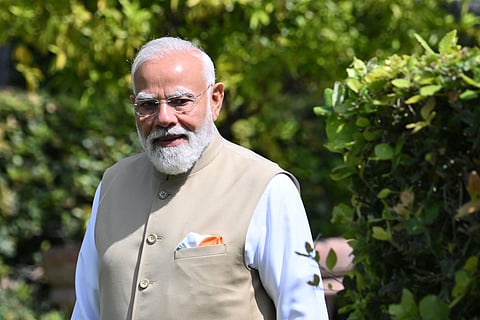
A leading Norwegian newspaper has come under intense criticism after publishing a cartoon depicting Indian Prime Minister Narendra Modi as a snake charmer, triggering accusations of racism, colonial stereotyping and cultural insensitivity across India.
The cartoon, published by Norway’s largest daily Aftenposten, portrayed Modi playing a flute before a snake emerging from a basket — an image many critics said recycled outdated Western tropes about India and reduced the country’s modern global identity to caricature.
The illustration quickly sparked outrage on social media and drew condemnation from politicians, commentators and members of the Indian diaspora, with many describing it as “blatantly racist” and reflective of a lingering colonial mindset in parts of the Western media.
The controversy comes at a time when India has been asserting a larger global diplomatic and economic role, with Modi positioning the country as a major geopolitical player and one of the world’s fastest-growing economies.
‘Offensive and outdated’
Critics argued that the snake charmer image echoed decades-old stereotypes historically used in Western portrayals of India — depictions centred on mysticism, poverty and exoticism rather than the country’s technological, economic and political rise.
Several social media users questioned how such imagery would be viewed if applied to leaders from other countries or communities, saying the cartoon crossed the line between satire and racial caricature.
Political figures and commentators accused the newspaper of mocking not only Modi but also India itself. Some described the illustration as evidence that sections of the Western establishment still struggle to view India outside outdated colonial frameworks.
Also Read: India: Sense, sensibilities and no humour
The backlash intensified after reports highlighted accompanying commentary in which Modi was reportedly described as “cunning” and “slightly disturbing”, phrases critics said added to the offensive nature of the depiction.
Debate over satire and racism
The incident has also reignited a broader debate about the limits of political satire and whether cultural stereotypes can be justified under freedom of expression.
Defenders of the cartoon argued that political satire has long targeted world leaders and should not automatically be viewed through a racial lens. However, critics countered that satire loses legitimacy when it relies on historically prejudicial imagery tied to ethnicity or nationality.
Many online users contrasted the newspaper’s depiction with the increasingly prominent international standing India now enjoys in areas ranging from technology and diplomacy to space exploration and global trade.
Some critics also pointed to what they described as double standards in Western media, arguing that caricatures based on racial or ethnic stereotypes involving other groups would likely trigger far stronger institutional backlash.
Wider diplomatic sensitivities
The row has unfolded amid heightened scrutiny of how global leaders and nations are portrayed in international media, especially at a time of rising nationalism and geopolitical competition.
India and Norway otherwise maintain cordial diplomatic relations, with cooperation in areas including trade, climate initiatives, shipping and renewable energy.
There has been no official indication that the controversy will affect bilateral ties, though the episode has generated strong reactions online and renewed discussion in India over Western representations of the country.


