Iran-US nuclear talks in Oman begin: What each side wants and what’s at stake
Tehran seeks sanctions relief, nuclear-only talks; Washington pushes broader demands
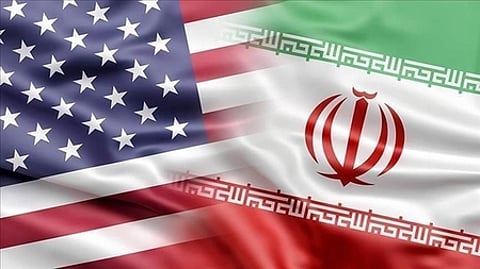
Dubai: Iran and the United States are set to hold high-stakes talks in Oman starting Friday, their first formal negotiations since last year’s war between Iran and Israel and US strikes on Iranian nuclear facilities.
The meeting comes amid soaring tensions following Tehran’s deadly crackdown on nationwide protests and fresh warnings from Donald Trump, who has not ruled out renewed military action if diplomacy fails.
While both sides say they are open to talks, they remain sharply divided on what should be discussed — and how far any deal should go.
Here’s a breakdown of the key issues.
Who is taking part in the talks?
Iran will be represented by Foreign Minister Abbas Araghchi, a veteran diplomat known for his role in earlier nuclear negotiations.
The US side will be led by Trump’s Middle East envoy Steve Witkoff.
The talks are being hosted by Oman, which has long played the role of mediator between Tehran and Washington.
What does Iran want?
Tehran is insisting that negotiations focus only on its nuclear programme and the lifting of US-led sanctions.
Iran argues it has the right to pursue civilian nuclear energy under the Nuclear Non-Proliferation Treaty and says it has no intention of building a bomb.
Before last year’s war, Iran was enriching uranium to 60 per cent purity — far above limits set under the 2015 nuclear deal but still short of the 90 percent needed for a nuclear weapon.
5 THINGS TO KNOW ABOUT THE IRAN-US TALKS
Iran wants nuclear-only talks: Tehran insists negotiations focus strictly on its nuclear programme and lifting sanctions — nothing else.
The US wants a broader deal: Washington is pushing to include Iran’s ballistic missiles, regional influence and human rights concerns.
Uranium enrichment is the main dispute: Iran had enriched uranium up to 60%, far above past limits but below weapons-grade levels.
Stockpiles remain unclear after strikes: US attacks on Iranian nuclear sites last year left the fate of highly enriched uranium uncertain.
Military pressure is rising alongside diplomacy: The US has boosted its regional military presence, while Iran has warned of retaliation if attacked.
Iran says it is willing to scale back enrichment in exchange for sanctions relief.
It has firmly rejected:
Discussing its ballistic missile programme
Its regional influence and support for militant groups
Calling these issues matters of national defence.
What does the US want?
Washington wants a much broader deal.
US Secretary of State Marco Rubio has said talks must include:
Iran’s nuclear programme
Its ballistic missiles
Its support for militant groups across the Middle East
Its treatment of protesters at home
The US argues the 2015 nuclear deal failed because it ignored missiles and regional security.
Trump has repeatedly called for a complete halt to uranium enrichment, a tougher demand than previous agreements.
What about Iran’s uranium stockpile?
After US strikes last year on key nuclear sites at Fordow, Natanz and Isfahan, the whereabouts of Iran’s highly enriched uranium remain unclear.
Iranian officials say much of the material is buried under rubble and too dangerous to retrieve for now.
Some countries have offered to store Iran’s uranium abroad as a safeguard, but Tehran has refused — insisting it can manage the stockpile itself if sanctions are lifted.
Why are tensions so high now?
Relations worsened dramatically after:
Israel launched a 12-day war on Iran last June
The US bombed Iranian nuclear facilities
Iran later halted enrichment temporarily
Nationwide protests erupted in Iran, followed by a violent crackdown
Trump has warned Iran’s supreme leader Ayatollah Ali Khamenei should be “very worried” as talks begin.
The US has also deployed a major naval force, including the aircraft carrier USS Abraham Lincoln, to the region.
Iran has threatened retaliation against US bases if attacked.
Why is the nuclear issue so sensitive?
Iran insists its programme is peaceful.
But Western powers fear its advanced enrichment levels could allow it to quickly build a bomb if it chooses.
Under the 2015 nuclear deal (which Trump withdrew from in 2018):
Enrichment was capped at 3.67%
Uranium stockpiles were tightly limited
Since then, Iran has steadily expanded its programme.
What could happen next?
Best case: A limited deal where Iran scales back enrichment in exchange for sanctions relief.
Middle ground: Talks drag on with no breakthrough but no immediate conflict.
Worst case: Talks collapse — followed by fresh US or Israeli military strikes and Iranian retaliation.
Bottom line
Iran wants sanctions relief and nuclear-only talks.
The US wants a broader agreement covering missiles, militias and nuclear limits.
With both sides sticking to red lines and military pressure building, the Oman talks could either open a path back to diplomacy — or push the region closer to another conflict.


