Iran postpones state funeral for Khamenei
Khamenei will be buried in his home city of Mashhad in northeastern Iran
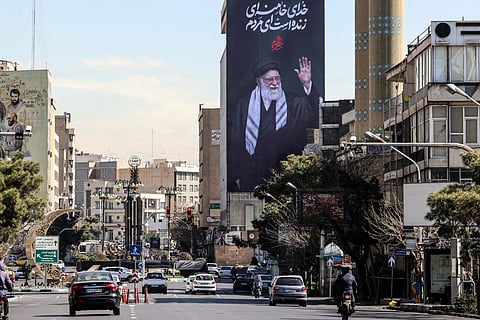
TEHRAN Iran announced that a state funeral for supreme leader Ayatollah Ali Khamenei, which had been planned for Wednesday evening in Tehran, was postponed "in anticipation of unprecedented turnout," state television reported.
"The farewell ceremony for the martyred Imam has been postponed. The new date will be announced later," Iranian television reported on Wednesday after Khamenei was killed in US-Israeli strikes over the weekend.
Earlier, Iran said it will hold a three-day state funeral for Khamenei.
"Starting at 10:00 pm (1830 GMT), the faithful will be able to pay a final homage to the body of the martyred guide of the nation, by visiting the Imam Khomenei grand mosque" in Tehran, Irna said, citing a statement from the Islamic Development Coordination Council.
Khamenei was 86 years old when he was killed, and will be buried in his home city of Mashhad in northeastern Iran.
Sistani denounces war
Iraq's top Shiite cleric, Grand Ayatollah Ali Sistani, denounced on Wednesday the "in the strongest terms the unjust war" on Iran.
Sistani, himself born in Iran, called "on all Muslims and free people around the world to denounce" the war and "stand in solidarity with the Iranian people."
He urged "all countries, particularly Islamic nations, to make every possible effort to end it immediately and to reach a just and peaceful solution to the Iranian nuclear issue."
Despite his non-Iraqi roots, Sistani has been a vital figure in Iraq's recent history, guiding his followers through decades of dictatorship, occupation and conflict.
But his influence extends beyond Iraq with millions of followers across the Muslim world.
Sistani always had a complex relationship with his birthplace, Iran, and was known for resisting Tehran's growing influence in Iraq.
That partly stems from the centuries-old rivalry between the holy Iraqi city of Najaf and Iran's Qom, the other main seat of Shiite religious authority.
Sistani has been seen as a competitor to Qom, and while Iran is ruled by clerics, Sistani has always avoided any formal role in government.
On Sunday, Sistani mourned Iran's supreme leader Ali Khamenei following his death in US and Israeli strikes, and urged Iranians to remain united to "thwart the aggressors' sinister goals".