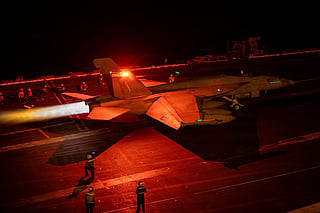
Iran calls for human chains around power plants as Trump’s deadline nears
Iran urges youth to shield power plants as Trump threatens strikes on infrastructure
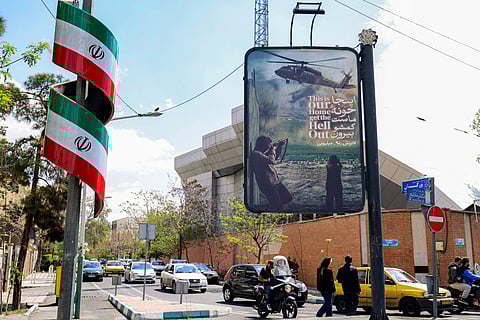
Airstrikes across Iran killed at least 15 people on Tuesday, while Iran fired missiles at Israel and Saudi Arabia, prompting the temporary closure of a major bridge.
The attacks came as Iranian officials urged youths to form human chains around power plants to protect them, as US President Donald Trump’s latest deadline for reopening the Strait of Hormuz drew closer.
Get updated faster and for FREE: Download the Gulf News app now - simply click here.
Trump threatens strikes on infrastructure
Trump has warned he may bomb Iran’s power plants and bridges if the Strait of Hormuz is not reopened by 8 pm EDT Tuesday. The strait is a strategic waterway through which a fifth of the world’s oil transits during peacetime.
“The entire country can be taken out in one night,” Trump said.
He suggested this deadline was final, noting that he had already given Iran additional time.
Israel’s military warned Iranians in Farsi to avoid using trains, likely signalling potential strikes on rail networks.
“Your presence puts your life at risk,” the warning posted on X read.
Calls for international restraint
France joined a growing chorus urging restraint. Foreign Minister Jean-Noël Barrot said attacks on civilian and energy infrastructure “are barred by the rules of war, international law.”
“They would without doubt trigger a new phase of escalation, of reprisals, that would drag the region and the world economy into a vicious circle that would be very worrying and, most of all, very damaging to our own interests,” Barrot said.
Escalation of attacks
Iran cut off shipping through the strait after Israel and the US attacked on Feb. 28, triggering the war. On Monday, Tehran rejected a 45-day ceasefire proposal and demanded a permanent end to the conflict.
Early Tuesday, Iran launched seven ballistic missiles at Saudi Arabia, with debris falling near energy facilities. Maj. Gen. Turki Al Malki, a Saudi Defense Ministry spokesman, said damage was still being assessed.
The attacks prompted Saudi Arabia to close the King Fahd Causeway, the 25-kilometre (15.5 mile) bridge connecting Saudi Arabia to Bahrain for several hours. Bahrain is home to the US Navy’s 5th Fleet.
Meanwhile, new airstrikes in Tehran reportedly killed nine people in Shahriar and six in Pardis. Iran also fired missiles toward Israel, with reports of incoming strikes in Tel Aviv and Eilat.
Threats raise concerns about war crimes
Iran’s attacks on Gulf Arab energy infrastructure and its blockade of the Strait of Hormuz have sent oil prices soaring. Brent crude traded above $111 per barrel, up more than 50% since the war began.
Under domestic pressure, Trump demanded Iran reopen the strait or face strikes on power plants and bridges, prompting warnings of potential war crimes.
New Zealand Prime Minister Christopher Luxon said any attacks on civilian infrastructure would be unacceptable, urging focus on preventing escalation.
Iran rallies youth to protect infrastructure
Iran called on “all young people, athletes, artists, students and university professors” to form human chains around power plants ahead of the threatened strikes.
“Power plants that are our national assets and capital… belong to the future of Iran and to the Iranian youth,” said Alireza Rahimi, secretary of the Supreme Council of Youth and Adolescents.
The Revolutionary Guard later urged parents to send children to man checkpoints, which have been repeatedly targeted.
UN warns against attacks on civilians
UN Secretary-General António Guterres reminded the US that attacks on civilian infrastructure violate international law. Trump, however, said he was “not at all” concerned about committing war crimes.
Despite Iran rejecting the latest US proposal, diplomatic efforts are reportedly ongoing to reach a negotiated solution.
Death toll rises across the region
Iran: More than 1,900 killed
Lebanon: Over 1,400 killed; more than 1 million displaced
Israel: 23 dead; 11 soldiers killed
US: 13 service members killed
Gulf Arab states & West Bank: 24+ dead
Japan reported the release on bail of a citizen detained in Iran since January, with the government demanding full release.