Kuwait: GCC welcomes UN Human Rights Council's resolution condemning Iranian aggression
Kuwait hails UN's stance on Iranian human rights violations
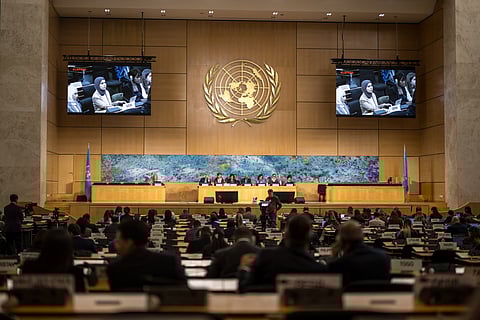
GENEVA: Ambassador Nasir Al-Hayen, Kuwait's Permanent Representative to the United Nations and other international organisations in Geneva, has expressed the GCC Group’s welcome of the UN Human Rights Council's consensus adoption of a resolution condemning Iranian attacks in the region.
Speaking on behalf of the GCC Group following the adoption of the resolution, Al-Hayen stated that the move reflects a spirit of cooperation within the Council when addressing matters with direct and serious human rights implications.


The Ambassador noted that the consensus reflects a shared international understanding of the importance of addressing these attacks, particularly regarding the protection of civilians and civilian infrastructure, while ensuring respect for relevant international obligations.
Al-Hayen clarified that the resolution formally condemns the Iranian aggression against GCC states and the Hashemite Kingdom of Jordan, highlighting the severe impact on the fundamental rights of individuals. He reaffirmed the importance of the Council’s continued engagement in monitoring this issue within its mandate.
The Kuwaiti diplomat expressed the GCC states' appreciation to the more than 100 countries that co-sponsored the resolution, noting that such wide-ranging support embodies the strength of international consensus.
He concluded by affirming the GCC's commitment to building on this consensus and working with all delegations to enhance the Council’s role in handling human rights issues through shared responsibility and constructive cooperation.


