Peso's new normal? Dollar could stay above ₱60 — BSP data
Worst over for peso? BSP data signal new band at ₱60–₱62 amid oil, rate uncertainties
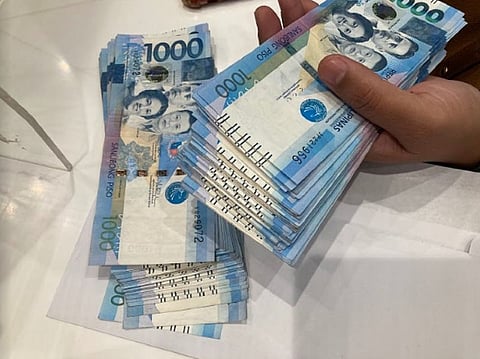
Manila: The Philippine peso appears to have entered a new trading range against the US dollar.
Recent data from the Bangko Sentral ng Pilipinas (BSP) suggests the currency is stabilising above the psychologically important ₱60-per-dollar level after months of sharp depreciation.
The daily BSP reference rates show a clear trend.
Monthly averages climbed steadily from ₱56.36 per dollar in June 2025 to ₱61.44 in May 2026, before easing slightly to about ₱61.25 so far in June 2026.
The peso has ranked as Asia's second-biggest loser against the US dollar (after the Indian rupee), recording the steepest depreciation in the region, alongside the Thai baht, South Korean won, and Indonesian rupiah.


Temporary respite
That modest pullback suggests the peso may be finding a temporary equilibrium after reaching record lows earlier this year.
The data point to three distinct phases.
First came a gradual weakening through the second half of 2025, driven largely by a stronger U.S. dollar and expectations that U.S. interest rates would remain elevated.
The second phase was a rapid depreciation during the first quarter of 2026 as geopolitical tensions in the Middle East pushed oil prices sharply higher. As a net importer of crude oil, the Philippines typically sees the peso weaken when energy prices surge because importers need more dollars to pay for fuel.
The third phase now appears to be underway: stabilization rather than recovery.
Although the peso has stopped falling at the pace seen in March and April, there is little evidence in the BSP data of a sustained appreciation.
New balance — not rebound
Instead, the currency has spent most of June fluctuating between ₱60.3 and ₱61.7, indicating that markets are searching for a new balance rather than betting on a rapid rebound.
Several factors will determine where the exchange rate heads next.
The biggest external driver remains global oil prices and the security situation around the Strait of Hormuz.
Any renewed disruption to Gulf energy exports would likely pressure the peso by widening the Philippines' import bill and stoking inflation. Conversely, a lasting de-escalation in the Middle East could ease fuel costs and reduce demand for the dollar.
Rate policy
Interest-rate policy is another key variable.
The BSP has signaled it remains focused on containing inflation and is prepared to adjust policy if price pressures persist.
Higher domestic interest rates generally help support the peso by making peso-denominated assets more attractive to investors.
Looking ahead, the most likely scenario is for the peso to trade in a relatively broad ₱60 to ₱62 range over the coming months, with bouts of volatility tied to oil prices, US Federal Reserve policy and geopolitical developments.
Factors for weaker peso vs US dollar
A return to the ₱57–₱58 levels seen before the Middle East energy shock would probably require a combination of lower global oil prices, a weaker US dollar and sustained capital inflows into the Philippines.
By contrast, another spike in crude prices or prolonged regional conflict could test—or even exceed—the record lows reached earlier this year.
For consumers and businesses, the message is mixed: the peso's steep slide appears to have slowed, but the era of a sub-₱60 exchange rate may not return quickly unless global conditions improve significantly.


