Kerala floods kill 21 as fresh rain fuels concerns
CM visits worst-hit areas as more rain looms, disaster preparedness faces renewed scrutiny
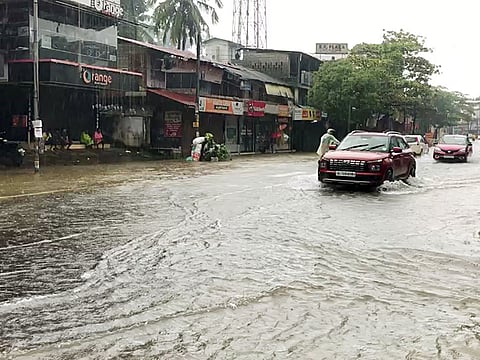
Kerala’s latest spell of monsoon flooding has claimed 21 lives, left six people missing and forced thousands from their homes, even as weather officials warned of more heavy rainfall across parts of the state, raising fears of further flooding and landslides.
With rivers still running high and saturated hillsides remaining vulnerable, Chief Minister V.D. Satheesan was scheduled to visit the worst-hit areas of Pathanamthitta district on Tuesday to review relief operations and assess the damage as authorities stepped up rescue efforts.
The India Meteorological Department (IMD) has forecast heavy to very heavy rainfall across central and northern Kerala over the coming days, while issuing weather alerts for several districts across India. Kasaragod remained under an orange alert, with authorities urging residents to stay away from flood-prone and landslide-prone areas and avoid unnecessary travel.
Flood-hit districts remain on alert
Although rainfall eased overnight in some forest catchment areas, the situation remained fragile in parts of Pathanamthitta district, particularly in Ranni and Aranmula, where swollen rivers continued to threaten nearby communities.
Water levels in the Pamba, Achankovil and Kakkattar rivers remained high, prompting officials to maintain warnings for people living along riverbanks.
The district administration has opened 74 relief camps sheltering more than 3,000 displaced residents, while emergency teams continue distributing food, drinking water and other essential supplies. Rescue personnel remain on standby in vulnerable areas as officials monitor river levels and weather forecasts.
Authorities have also extended restrictions on travel to Gavi as a precaution, advising the public to avoid hilly regions and flood-prone routes until conditions improve.
Chief Minister to review relief operations
The chief minister’s visit comes as the government seeks to strengthen relief measures and reassure affected communities.
During his visit to Aranmula and Ranni, Satheesan is expected to review the functioning of relief camps, assess rescue operations and meet district officials overseeing emergency response efforts.
The visit also comes amid political criticism over the handling of the floods, with opposition parties questioning whether authorities responded quickly enough during the early stages of the crisis. The government has defended its response while continuing to coordinate rescue and rehabilitation efforts.
Preparedness back under the spotlight
Beyond the immediate rescue operations, the latest floods have reopened a broader debate over Kerala’s disaster preparedness nearly eight years after the devastating 2018 floods transformed the state’s approach to disaster management.
Following that disaster, Kerala expanded its institutional framework by strengthening the Kerala State Disaster Management Authority, district disaster management authorities, emergency operations centres and local disaster management plans. The state also launched the Rebuild Kerala Initiative, backed by international funding, with the aim of improving infrastructure and climate resilience.
Yet the latest floods have once again raised questions about whether these investments have translated into faster emergency response, stronger coordination and more effective preparedness on the ground.
Disaster management experts have increasingly argued that the focus should now move beyond political blame and towards evaluating how effectively these institutions function during major emergencies. They say a comprehensive review of disaster response systems, early warning mechanisms and coordination between agencies could help identify gaps before future extreme weather events occur.
Climate risks becoming more frequent
The renewed scrutiny comes as Kerala, like many parts of India, faces increasingly frequent episodes of extreme rainfall linked to changing climate patterns.
Scientists have repeatedly warned that short periods of exceptionally heavy rainfall can overwhelm rivers, trigger landslides and flood low-lying communities, even where disaster management systems have been strengthened.
The IMD has advised residents to remain indoors during thunderstorms, avoid sheltering under trees or weak structures, monitor official weather updates and follow evacuation instructions issued by local authorities.
With more rain forecast in the coming days, officials remain on high alert as rescue teams continue working to protect vulnerable communities while hoping to prevent the crisis from deepening further.
- with inputs from IANS and ANI


