Sharjah initiative sets new regional standard to combat child sexual exploitation
The urgency of clearer terminology reflects the scale and evolving nature of the issue
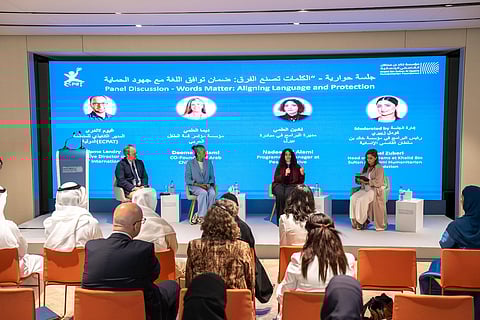
Sharjah: A new Sharjah-led initiative aims to strengthen how child sexual exploitation and abuse is addressed across the Arab world by introducing, for the first time, an Arabic version of globally recognised protection terminology guidelines.
The Khalid Bin Sultan Al Qasimi Humanitarian Foundation (KSQF), in partnership with ECPAT International, announced plans to translate and culturally localise the Terminology Guidelines for the Protection of Children from Sexual Exploitation and Abuse, creating a unified professional reference for Arabic-speaking communities in Southwest Asia and North Africa.
The announcement was made during a regional conference at the House of Wisdom in Sharjah, bringing together international experts, policymakers and specialists from child protection, legal and development sectors.
Clear language, stronger protection
Officials say fragmented terminology has long complicated legislation, judicial interpretation, media reporting and institutional responses to child protection cases across the region. The Arabic edition aims to establish shared, survivor-centred language that reduces ambiguity and strengthens coordination among legal, medical, psychosocial and policy stakeholders.
First published in 2016 and translated into nine languages, the guidelines previously excluded Arabic. Following the release of the updated second edition in March 2025, the Sharjah initiative will now make the resource accessible across the Arab region.
The urgency of clearer terminology reflects the scale and evolving nature of the issue globally. UNICEF estimates that around 650 million girls and women — roughly one in five — experienced sexual violence during childhood, while between 410 and 530 million boys and men, or about one in seven, were also affected.
The growing digital dimension of abuse has intensified concerns. The WeProtect Global Threat Assessment recorded a 1,325 per cent surge in AI-generated child sexual abuse material in 2025, marking a thirteenfold increase in reports within a single year.
The guidelines promote precise, non-stigmatising and survivor-informed language designed to replace outdated or harmful terminology often used in professional and public discourse. The latest English edition was revised by an interagency working group of more than 40 organisations, reflecting broad international consensus across the child protection sector.
Regional collaboration
The Arabic edition will be developed through consultations with regional experts, practitioners and survivor-led organisations to ensure linguistic accuracy and cultural relevance. Rather than a direct translation, the process will adapt terminology to reflect legal nuance, cultural context and responsible professional practice across Arabic-speaking societies, aligning global standards with regional realities.
Fully funded by KSQF and implemented with ECPAT International, the project will include translation, technical review and a participatory validation phase. The Arabic edition is expected to launch in the fourth quarter of 2026, with a free digital version made available through partner platforms.
“Words matter”
Lujan Mourad, Director of KSQF, said language plays a central role in shaping protection systems.
“Child protection begins with the language we use to name harm and define responsibility,” she said, adding that shared terminology is essential for effective protection and accountability.
Guillaume Landry, Executive Director of ECPAT International, said responsible language can influence how societies respond to abuse. “Words can empower children or further victimise them. The guidelines help professionals and the public make informed choices that support and respect children,” he said.
Strengthening cooperation
Meanwhile , Lt. Col. Dr Ahmed Al Zarouni of the Ministry of Interior, who highlighted the importance of unified terminology in strengthening international cooperation and improving responses to cross-border and digital exploitation.
ECPAT International operates a global network spanning more than 120 countries, while KSQF continues to advance safeguarding and advocacy initiatives inspired by the humanitarian legacy of the late Sheikh Khalid bin Sultan Al Qasimi and under the leadership of Her Highness Sheikha Jawaher bint Mohammed Al Qasimi.
The collaboration further reinforces Sharjah’s role as a regional platform advancing coordinated child protection efforts across the Arab world.


