Ramadan 2026 UAE: AI wearables help you fast safer, smarter, healthier
Modern devices track heart rate, blood sugar, sleep patterns, oxygen levels
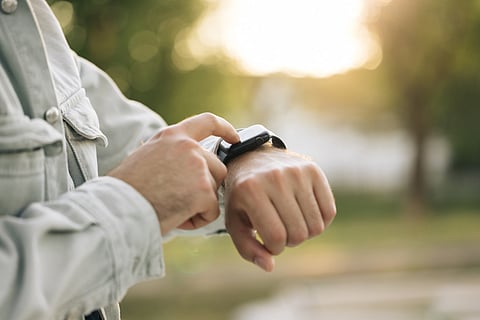
As Ramadan approaches, technology is helping residents fast smarter and safer. In 2026, AI-powered wearables and smart apps are changing the way people monitor their health during the holy month, offering personalised insights into everything from glucose levels to hydration and physical activity.
AI wearables as health companion
“In today’s digital era, AI-powered wearables function more as health companions rather than substitutes for care. They can support and guide individuals through Ramadan by providing real-time physiological insights,” said Dr Hala Abdulkareem, Consultant in Family Medicine at Burjeel Medical City, Abu Dhabi.
Modern devices, such as smartwatches, fitness bands, and continuous glucose monitors, track heart rate, blood sugar, sleep patterns, oxygen and activity levels. Some even estimate hydration levels using body signals.
“Artificial intelligence analyses this data to generate daily insights into how the body is responding to fasting,” she said, noting: “While these readings may not always perfectly reflect clinical measurements, they are valuable for identifying trends, increasing awareness and recognising patterns.”
Indicators such as heart rate, glucose levels, oxygen saturation, and activity levels can signal stress during fastingDr Hala Abdulkareem
Monitoring safety during fasting
Wearables can be particularly helpful for detecting early warning signs of dehydration, blood sugar fluctuations or heart strain.
“Indicators such as heart rate, glucose levels, oxygen saturation, and activity levels can signal stress during fasting,” Dr Abdulkareem pointed out. “Some devices also attempt to estimate hydration status using indirect physiological markers, and artificial intelligence analyses this data to identify trends.”
Wearables 'supportive tools'
She stressed, however, that these tools are supportive, not a replacement for medical care.
“Clinical assessment, individualised advice, and physician oversight remain essential, particularly for individuals living with chronic medical conditions. AI wearables enhance awareness but should always be used alongside medical guidance.”
Heart-rate and load monitoring help us prevent overexertion, fatigue crashes, and dizziness during fastingDeepak Mullaserry
Personalised guidance
For individuals with diabetes, heart disease, or other chronic conditions, wearable data is revolutionising fasting recommendations.
“Continuous glucose monitoring research shows we can safely adjust fasting for many diabetics by tracking real-time sugar trends instead of giving blanket restrictions,” said Deepak Mullaserry, Senior Physiotherapist at Medcare Physio and Rehab Centre, Dubai.
“From a sports and rehab perspective, heart-rate and load monitoring help us prevent overexertion, fatigue crashes, and dizziness during fasting, especially in active individuals or cardiac patients,” he said, noting that personalised monitoring means fasting plans can now balance medical safety with daily activity, rather than limiting movement entirely.
AI features making biggest impact
Certain features have proven particularly useful during Ramadan: Glucose alerts for safety in diabetics, hydration tracking, sleep analytics, recovery scores for athletes or active individuals, and AI-guided workload monitoring can help prevent injuries like cramps or strains while fasting.
“These tools guide when to train, when to rest, and how to rehydrate post-Iftar,” noted Mullaserry.
Tips for smart fasting with wearables
Track glucose, hydration, and heart rate trends daily.
Adjust physical activity based on fatigue and recovery scores.
Use AI insights alongside medical advice – never as a substitute.


