Dental care in the UAE: What families need to know about costs and insurance
Experts explain how families can manage dental costs, find affordable ways to stay healthy
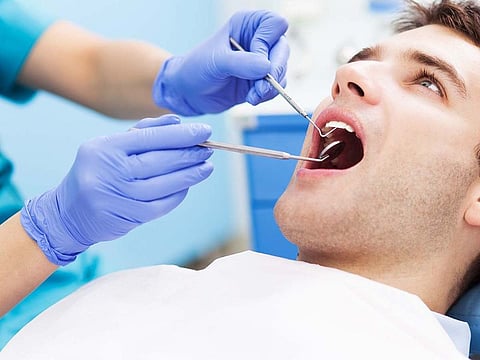
Dubai: For many families in the UAE, dental care becomes a financial concern only when a tooth starts hurting. A routine check-up may seem like an expense that can wait, particularly when health insurance does not cover regular dental visits. But delaying treatment can turn a minor cavity into a root canal, a crown, or even an extraction, with costs running into thousands of dirhams.
The challenge has not been simply the price of visiting a dentist. It is understanding what insurance covers, knowing when treatment is needed, and finding ways to make preventive care part of the family budget.
Dental professionals and insurance experts have noted that a little planning can help households avoid unexpected bills, particularly when several family members need treatment.
Get updated faster and for FREE: Download the Gulf News app now - simply click here.
Small problems can lead to big bills
Dental problems rarely become more affordable with time. According to Dr. Lalaine Jugueta Santos, a general dentist at Osama Al Hashimi Dentistry, the financial risk often comes from leaving a small cavity untreated until it develops into a more complicated problem.
"When a small cavity is detected, treatment is usually less expensive and less complex than treating a tooth with deep decay. However, families facing financial constraints may delay fillings until pain or sensitivity interferes with eating, sleeping, or school," Santos told Gulf News.
She has bared that severe pain, facial swelling, and fever require prompt clinical assessment, as these symptoms may indicate an infection that should not be ignored.
Santos has cautioned families against choosing a dental clinic on price alone. While affordable treatment is important, patients should feel confident that the clinic is providing appropriate care, using suitable materials and following proper clinical standards.
What does dental treatment cost in the UAE
Dental fees vary according to the emirate, clinic, materials used, and complexity of the procedure. Based on estimates provided by the experts interviewed, a routine check-up and consultation may cost between Dh150 and Dh300, while a combined check-up and cleaning can range from Dh250 to Dh700.
A tooth-coloured filling typically costs between Dh250 and Dh800. Root canal treatment may range from Dh1,200 to Dh4,500, while a crown can add another Dh1,000 to Dh4,000. Dental implants with restoration may cost between Dh5,000 and Dh15,000 per tooth.
These figures are indicative rather than fixed fees, and costs can be higher depending on the tooth being treated and the clinic. Root canal treatment followed by a crown, for example, can add up quickly because the procedures may be charged separately.
Braces have been another significant expense for parents, with treatment potentially costing five figures. Whether orthodontics is covered by insurance depends on the specific policy.
Santos has mentioned that clinic fees reflect operating expenses, including rent, staff salaries, utilities, and licensing costs. This is one reason prices can differ considerably between providers.
For families, the most useful approach is to request a written treatment plan and itemised quotation before proceeding with non-emergency treatment. Where appropriate, asking about alternative treatment options and payment arrangements can also help with budgeting.
Read the fine print
Having health insurance does not necessarily mean having comprehensive dental cover. Toshita Chauhan, chief business officer of General Insurance, has highlighted that dental benefits are among the most frequently misunderstood parts of a health policy.
"In Dubai, the mandatory basic plan generally covers dental emergencies such as acute pain, infection, or injury, but not routine check-ups, cleaning, or fillings. In other emirates, dental benefits depend entirely on the plan chosen, and across the UAE, routine dental care usually comes as an add-on or with higher-tier plans," shared Chauhan.
Without this cover, families may have to pay for preventive visits themselves and may be more inclined to postpone them.
Chauhan has estimated that a dental add-on can cost a few hundred dirhams per person, depending on the insurer and plan. Policies may have annual dental limits of around Dh1,500 to Dh3,500, along with co-payments of approximately 20 percent. These figures are indicative, and actual benefits vary.
Before choosing or renewing a policy, families should examine the annual dental limit and understand how much they will need to pay themselves. They should also check whether routine consultations, cleaning, fluoride applications, and fillings are included, and whether more expensive procedures such as root canals, crowns, and extractions are covered.
Parents should pay attention to exclusions involving children's baby teeth and check whether orthodontic treatment is included. Braces are often excluded or only partially covered. Waiting periods and the availability of dental benefits for dependents under an employer's group policy are also worth checking.
Chauhan has advised families to compare the annual premium against the benefits they are likely to use, rather than focusing on the headline price alone.
"Ultimately, the most affordable dental care is preventive care. Regular check-ups, good brushing habits, and limiting sugary snacks for children save far more money than any discount on treatment."
Children's teeth need attention from the start
For Dr. Yasmin Kottait, founder and medical director of Sunshine Land Paediatric Dentistry, one of the biggest misconceptions parents have is that baby teeth do not need much attention because they eventually fall out.
In reality, some baby teeth remain in the mouth until children are 10, 12, or even 13. They help maintain space for permanent teeth and infection in a baby tooth can affect the developing adult tooth underneath.
Parents should also be aware that the first permanent molars usually emerge at around six years of age at the back of the mouth. Because these teeth can be mistaken for baby teeth, they may be overlooked during brushing. Yet they have been intended to last a lifetime.
"We are also seeing more children with molar incisor hypomineralisation, a condition where the enamel of the molars and front teeth is weaker. These teeth need early, careful attention and closer follow-up," stated Kottait.
How much should families budget for prevention
Planning for regular care is easier when families have a realistic estimate of the costs involved.
Kottait has suggested that families with children whose teeth are being well maintained consider budgeting around Dh3,000 per year for children's dental care without insurance. This is an indicative planning figure that can cover regular examinations, cleaning, fluoride applications, and X-rays, depending on the child's needs and the clinic's fees.
The amount required can rise considerably if cavities have already developed. Fillings, treatments to manage damage to the tooth's inner tissue, crowns, and sedation where clinically necessary can all increase the total.
Chauhan has provided a lower indicative range of around Dh800 to Dh2,000 annually for children's preventive care, including two check-ups, cleaning, fluoride treatment, and sealants. For adults with routine dental needs, she has estimated approximately Dh1,000 to Dh2,500 a year.
For a family of four focusing on prevention, her estimate has been around Dh3,000 to Dh6,000 annually without insurance.
These figures are not directly comparable because treatment needs, clinic charges, and the services included can differ. Families should use them as starting points and ask their dentist for a personalised estimate.
"Our approach is prevention first. A healthy routine today costs a fraction of treatment tomorrow, and it gives children positive, stress-free experiences at the dentist that last a lifetime," said Chauhan.
Affordable dental care
For families without comprehensive insurance, there are alternatives worth exploring.
Chauhan has pointed to university dental clinics as a potential source of lower-cost treatment. Ajman University and the University of Sharjah operate dental facilities where students treat patients under the supervision of qualified faculty. Services, fees, and eligibility can vary, so patients should contact the institutions directly to confirm availability and costs.
Ajman University also operates a mobile dental clinic that visits communities across the emirates, providing another option for people seeking access to dental services.
Government health centres may offer more economical care in some circumstances, depending on the emirate, the patient's eligibility, and the services available.
Private clinics may also offer preventive packages, family memberships, or instalment plans that help spread expenses over time. Parents can check whether their children's schools organise dental screening programmes, which may help identify potential problems early.
However, affordable care should still meet appropriate clinical standards. Before agreeing to treatment, patients should understand what is included in the price, who will carry out the procedure, and whether follow-up appointments incur additional charges.
Simple habits that can prevent cavities
While insurance and clinic costs matter, Kottait has emphasised that some of the most effective ways to protect children's teeth begin at home.
Brushing twice a day is essential. Parents should help younger children brush properly, paying attention to the gum line. Supervision is generally recommended until children can brush effectively on their own, often around seven or eight years old.
Fluoride toothpaste has been another important part of prevention. For those younger than three, use a smear about the size of a grain of rice, while for children aged three to six, use a pea-sized amount. Parents should supervise brushing to help children avoid swallowing toothpaste.
Once neighbouring teeth touch, flossing becomes important because a toothbrush alone may not clean the spaces between them effectively.
Diet also plays a significant role. Repeated exposure to sugar increases the risk of decay, particularly when children frequently snack on sweets or sip sugary drinks throughout the day. Water is the best drink between meals and children should not be put to bed with bottles or sippy cups containing milk or juice.
These steps may appear simple, but consistency matters. Prevention is valuable for children, who are still developing their brushing habits and may not recognise the early signs of a dental problem.
Plan for care before pain begins
Managing dental expenses in the UAE requires a combination of good daily habits, regular check-ups, and a clear understanding of insurance benefits.
Dental care cannot always be planned perfectly, and not every problem can be prevented. But families who make room for routine care are better placed to catch issues early and reduce the risk of unexpected expenses.