Abu Dhabi agency confirms oxygen drop, algal bloom behind canal fish kill
Cleanup, monitoring underway after fish suffocated in oxygen-depleted canal water
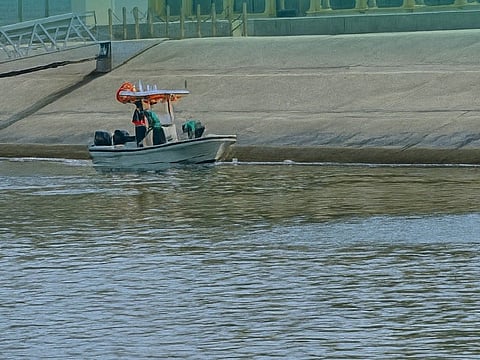
Authorities in Abu Dhabi say a recent fish-kill event in Al Muzoon Canal was triggered by a drop in dissolved oxygen, alongside an algal bloom — not chemical pollution. The conclusion comes after laboratory tests on water samples returned 'negative' for toxins.
EAD reported that water and fish samples were collected promptly following the discovery of dead fish. The samples underwent analysis, and the results showed no signs of contamination. Instead, the primary cause was identified as a sharp decline in oxygen levels, coinciding with a dense algal bloom.
As a precaution, the canal was cleaned and the dead fish removed and disposed of safely. EAD said it is working with relevant authorities and has initiated regular monitoring of the canal to ensure conditions stabilise and aquatic life recovers.
Why low oxygen and algal blooms kill fish
Ecologists explain that algal blooms — often fueled by elevated nutrient levels — can lead to rapid oxygen depletion in water. When algae die and decompose, bacteria consume large amounts of dissolved oxygen, creating hypoxic conditions that aquatic animals cannot survive.
Fish rely on dissolved oxygen in water for respiration. When levels drop below critical thresholds, even healthy fish can suffocate.
Similar incidents have been documented around the world: excessive nutrient input or stagnant water can trigger blooms that lead to mass fish kills in lakes, canals and coastal waters.
Ongoing monitoring and safeguards
EAD said it will continue monitoring water quality in Al Muzoon Canal and nearby waterways. It also urged the public to report any unusual fish deaths or water changes. The agency pointed out that such events, while alarming, can occur naturally under certain environmental conditions — but require vigilance and prompt response to minimise ecological impact.


