Abu Dhabi clean energy output jumps more than 1,000% in five years
Barakah Nuclear Plant and solar projects fuel Abu Dhabi’s energy transformation.

The Emirates Water and Electricity Company (EWEC) has announced that clean and renewable energy generation in the Emirate of Abu Dhabi, from nuclear, solar and wind sources, recorded growth of more than 1,000% between 2020 and 2025, highlighting the success of the emirate’s energy transition strategy.
EWEC said this remarkable growth reflects its long-term approach to generation capacity planning and the successful integration of renewable and clean energy sources into Abu Dhabi’s power system.
Nuclear and solar drive growth
The progressive commissioning of the four units at the Barakah Nuclear Energy Plant between 2020 and 2024 has provided a sustainable source of emissions-free baseload electricity.
This has been complemented by the expansion of renewable energy generation capacity through major strategic projects, most notably the Al Dhafra Solar Photovoltaic (PV) Plant and Noor Abu Dhabi, both among the world’s largest single-site solar power plants.
Clean energy reaches 46% of power generation
The latest consolidated operational data compiled by EWEC reveal that renewable and clean energy sources now account for approximately 46% of Abu Dhabi’s total electricity generation, compared with less than 5% in 2020.
Electricity generation from these sources exceeded 49,300 gigawatt-hours (GWh) in 2025, up from approximately 4,100 GWh in 2020.
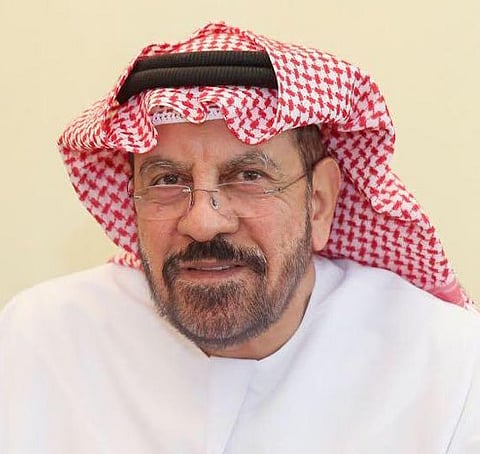
Mohamed Al Marzooqi, Chief Assets Officer at EWEC, said the significant progress achieved over the past five years underscores the importance of the company’s long-term planning approach and its efforts to develop an integrated and diversified portfolio of renewable and clean energy sources.
He added that integrating nuclear, solar and wind energy on a large scale into the electricity system helps reduce carbon emissions intensity while maintaining the reliability and security of electricity supplies required to support economic growth.
Al Marzooqi reaffirmed the company’s commitment to further expanding clean and renewable energy capacity and enhancing the resilience of the electricity system to ensure the long-term sustainability of Abu Dhabi’s and the UAE’s energy sectors.
Supporting UAE’s net-zero ambitions
EWEC emphasised that the expansion of renewable and clean energy projects will support the achievement of the Abu Dhabi Clean Energy Strategy 2035 targets and contribute to the UAE’s strategic initiative to achieve Net Zero emissions by 2050, further strengthening Abu Dhabi’s global standing as a leader in driving the energy transition.