Abu Dhabi to host IAAPA Expo Middle East 2026
UAE strengthens its global leisure footprint
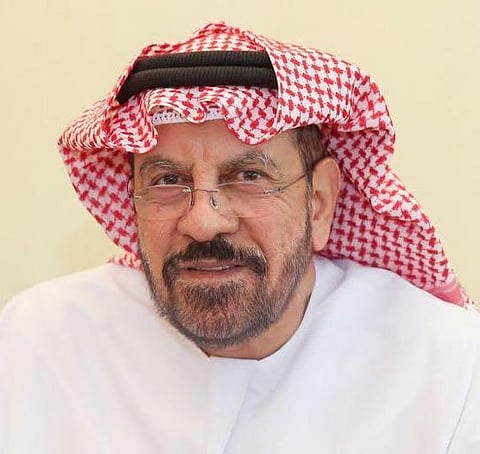
Abu Dhabi is set to host IAAPA Expo Middle East 2026 for the first time, marking a significant milestone for the UAE’s fast-expanding entertainment and attractions sector. The decision underscores the emirate’s long-term tourism strategy and its growing role as both a regional and global hub for leisure development, according to Jakob, who spoke to Gulf News in an interview.
Jakob said the decision to stage IAAPA Expo Middle East in the UAE, and in Abu Dhabi specifically, reflects the emirate’s long-term strategic vision to drive tourism and leisure development. He pointed to Abu Dhabi’s Tourism Strategy 2030, which positions attractions, culture and entertainment as core drivers of destination growth at the national, regional and global levels.
Wide range of activities
He noted that Abu Dhabi offers a wide range of activities catering to diverse audiences, alongside unique attractions that allow industry stakeholders to experience projects first-hand. At the same time, Abu Dhabi’s role as a central regional hub, supported by strong infrastructure, global connectivity and a proven track record in hosting major international events, makes it a natural location for the inaugural IAAPA Expo Middle East.
Jakob added that interest in the first edition of the event has been strong, with the exhibition already fully sold out. More than 325 exhibiting companies have confirmed participation across 7,854 square metres, highlighting the scale and international reach of the Expo as it makes its debut in the capital.
On the broader development of the entertainment and attractions sector in the UAE, Jakob said the country represents one of the fastest-growing markets in the global attractions industry. He observed a growing pipeline of innovative concepts and new experiences, both operational and under development, reflecting sustained confidence in the sector’s long-term potential.
Diverse infrastructure to serve tourism activities
From large-scale theme and water parks to family entertainment centres, immersive attractions, integrated hotel resorts, cruise ships, animal attractions, museums and sports venues, he said the diversity of projects underlines the depth of market activity. The launch of IAAPA Expo Middle East, he added, brings these different segments together under one platform, reflecting the maturity of the sector.
Addressing the key messages of IAAPA Expo Middle East 2026, Jakob said the event is designed to unite the various facets of the attractions industry through networking, collaboration, education and shared knowledge. The Expo provides a forum where theme parks, museums, aquariums, family entertainment centres, hotels and resorts can exchange ideas and explore innovative products that will help shape the future of the industry.
For investors and decision-makers, he said, the focus is firmly on growth and expansion, while operators are encouraged to learn from global best practices, adopt proven operating models and benchmark their performance against international standards. IAAPA Expo Middle East, he added, aims to support long-term, sustainable growth strategies that enable businesses to remain resilient and competitive.
This objective is reflected in the structure of the event itself, with a conference programme featuring more than 120 international and regional speakers across 50 sessions. Jakob said this underlines IAAPA’s emphasis on practical insight, leadership development and sustained growth. Beyond the exhibition and conference programme, the event also includes behind-the-scenes experiences known as EDUTours.
Among these is the IAAPA Post Tour to Qiddiya City, scheduled for April 3–4, with visits to Six Flags and Aquarabia Qiddiya City. The tour offers participants direct access to one of the world’s largest entertainment developments, which opened to the public in 2025, reinforcing IAAPA’s commitment to learning through real-world operational environments.
Discussing growth trends across different segments, Jakob said the strongest momentum in the region is currently seen in family entertainment centres and immersive, interactive experiences, including escape rooms, alongside continued investment in large destination theme parks.
He explained that immersive and interactive formats are expanding rapidly due to their flexibility, ease of integration into mixed-use developments and their ability to support repeat visitation. These experiences can also be refreshed and adapted over time, aligning well with how destinations across the region are being planned and developed. While theme parks continue to play a critical anchoring role, he said the pace of development is particularly visible in formats that can be deployed more quickly within broader destination ecosystems.
AI is increasingly used to enhance capacity planning
On the role of technology and innovation, Jakob described a dual approach in which technology is applied both front-of-house and behind the scenes. AI, he said, is increasingly used to enhance capacity planning, predictive maintenance and operational oversight, while also enabling more personalised visitor journeys that feel seamless and well managed.
Virtual and augmented reality technologies are also reshaping how visitors engage with attractions, allowing experiences to respond dynamically to audiences and evolve over time. While technology will not replace attractions, Jakob stressed that it enhances immersion and improves the overall guest experience.
Turning to sustainability and smart design, Jakob said these elements have become integral to the development of modern entertainment projects. In markets such as the UAE, where attractions are designed as long-term assets, decisions are increasingly guided by durability, efficiency and adaptability from the outset.
He added that smart design supports efficient operations across an attraction’s full lifecycle, from energy use and maintenance planning to crowd flow and operational resilience. Sustainability, he said, is embedded early in the decision-making process, ensuring projects remain economically viable and operationally sound over time. This approach aligns closely with the UAE’s broader destination development strategies, which prioritise longevity, responsible resource use and relevance.
Looking ahead to investment opportunities, Jakob said ambitious regional strategies will continue to drive growth across the Middle East’s attractions and entertainment market over the next five years. Investment is expected across new destinations, theme parks, museums, water parks, family entertainment centres and experience-led developments within urban projects.
He pointed to major developments across the UAE, including Yas Island and Saadiyat Island in Abu Dhabi, as well as projects such as Therme Dubai and Wynn Al Marjan Island in Ras Al Khaimah. Regionally, he highlighted transformative initiatives such as Qiddiya, the Red Sea Project and NEOM in Saudi Arabia, alongside continued investment in cultural and leisure destinations in Qatar and Oman.
IAAPA membership offers local and regional operators
On strengthening regional capabilities, Jakob said IAAPA membership offers local and regional operators access to a global network of nearly 10,000 members, spanning operators, suppliers and multinational corporations. This shared ecosystem provides access to professional networking, education and safety resources, creating a common operational language and enabling organisations to benchmark against international standards.
He added that events such as IAAPA Expo Middle East translate global expertise into a regional context through face-to-face engagement. By interacting directly with suppliers, educators and peers, operators can gain insight into proven operating models and understand how similar challenges are addressed in other markets. Over time, this combination of education, benchmarking and global connection helps organisations strengthen internal systems and improve decision-making.
Offering advice to young professionals, Jakob said the attractions industry increasingly depends on individuals with strong operational, safety and leadership skills. He emphasised the importance of balancing creative thinking with practical experience and encouraged young professionals to pursue continuous learning, engage in industry committees and build professional networks.
IAAPA’s education programmes, certifications and events
IAAPA’s education programmes, certifications and events, he said, expose emerging talent to international standards and real-world operating frameworks. As the industry expands, those who invest early in professional development will be best positioned to assume greater responsibility. He also highlighted mentorship initiatives and youth-focused programmes supported by the IAAPA Foundation.
Concluding his remarks, Jakob said the global attractions industry plays a growing social role by bringing people together through shared, real-world experiences. At a time when studies indicate rising levels of loneliness globally, he said attractions create spaces for families, friends and communities to connect emotionally.
He described the UAE as a powerhouse in shaping the future of the visitor experience, noting the pace at which new concepts continue to open or enter development. IAAPA Expo Middle East, he said, will serve as a platform to bring the global industry together, showcase innovation and allow international attendees to experience first-hand how the region has shaped its entertainment and leisure landscape.
According to IAAPA’s Global Research team, theme and amusement park attendance and spending are expected to continue rising through 2028. Attendance is forecast to grow at a compound annual growth rate of 12.7 per cent between 2023 and 2028, while spending is projected to increase at a CAGR of 16.5 per cent over the same period.
Jakob added that the UAE’s distinctive approach to destination development integrating attractions within broader tourism, cultural and urban strategies, supported by governance, professional standards and sustained investment positions the country to play a defining role in the sector’s next phase of growth.