Beyond Samsung S26 series: What 2026 flagships will bring — AI, smarter cameras and more
High‑quality cameras are now a given on flagships
Orange. That was all it took for the iPhone 17 to send waves through the smartphone world. A simple colour change sparked a buying frenzy — and proved a point: design still matters as much as specs.
As we move deeper into 2026, the conversation around flagship smartphones is evolving. Sure, raw power and stunning cameras still matter, but industry experts say the next wave of devices will be defined by intelligence, intuition, and aesthetics.
As Ashish Panjabi, COO of UAE's Jacky’s Retail, UAE-based consumer electronics and smartphone retailer, explains: “A flagship in 2026 will absolutely be about AI, but we shouldn’t underestimate the power of design.” In other words, performance, cameras, and AI will coexist with aesthetics in determining what makes a phone a necessity for some.
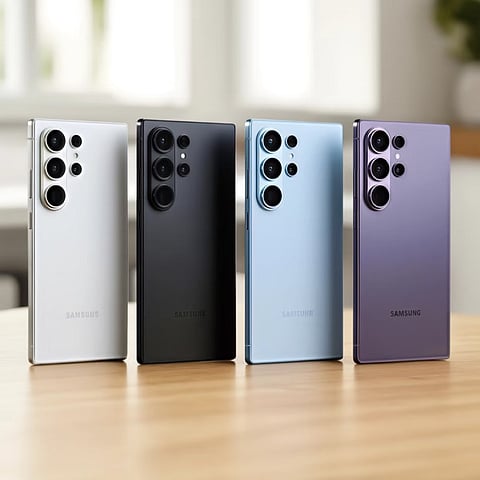
Much of that influence is already showing in upcoming devices. Samsung’s highly anticipated Galaxy S26 and S26 Ultra, set to debut on February 25, 2026, aim to refine what already works in premium Android phones. Meanwhile, early leaks around Apple’s iPhone 18 Pro models hint at internal upgrades and display innovations, proving that evolution, rather than radical reinvention, is the name of the game this year.
Camera trends for 2026: Standard, but smarter and bigger
High‑quality cameras are now a given on flagships, and the battle is increasingly won through AI.
AI-driven imaging will continue to shape camera trends in 2026. "Features such as easily editing people out of photos, which have been prominent on Samsung Galaxy devices and are now mirrored on Apple phones, are moving from 'wow' extras to everyday tools," adds Panjabi.
That direction shows up in the leaks for real upcoming devices, too. Samsung’s Galaxy S26 Ultra is widely expected to still use a 200 MP main camera, with reports pointing to a wider ƒ/1.4 aperture that could let in more light, helping the sensor and its computational photography work better in low‑light conditions rather than simply chasing megapixels alone. Rumoured improvements also include strong zoom performance with a 50 MP telephoto and ultrawide setup, and hints of enhanced image‑processing tools aimed at sharper, cleaner shots in challenging lighting.
On the Apple side, early industry reports suggest Apple may introduce a variable‑aperture main camera on the iPhone 18 Pro and Pro Max, potentially letting the lens physically change how much light it lets in depending on the scene, a capability more common in DSLR and mirrorless cameras that could improve exposure and depth control. However, these are early rumours and Apple itself has not confirmed this feature or an official 2026 release date for the iPhone 18 lineup, so the timing and final specifications remain subject to change.
As Panjabi adds, the industry is steadily working toward a point where you can point, shoot, and not worry about lighting, backlight, or distractions in the frame. On the video side, phones are also getting better at stabilisation and capturing cleaner audio — improvements that matter as smartphones see more use in semi‑professional videography. The ultimate goal remains the “perfect shot by default,” and while we may not fully reach that in 2026, the direction is unmistakably clear: hardware refinements and AI‑driven software are working together to make that dream closer to reality.
Software takes centrestage
With component challenges such as rising DRAM prices and constrained supply, vendors are increasingly limited on the hardware side and are being forced to look for advantages they can control more directly,” says Panjabi. In other words, phone makers can’t just rely on faster chips or bigger storage anymore, they have to make their devices smarter in ways they can actually influence.
That’s where software and user experience come in, not just in terms of interfaces but in the productivity and intelligence the device can deliver,” he adds. Phones are already learning how we use them, suggesting the right apps or information based on time and context. With platforms like Google Gemini, now appearing on both Samsung and Apple devices, and even powering Siri, this kind of intelligence is only going to get sharper.
As Panjabi explains, “As this intelligence grows, the next generation of flagships will be defined less by raw hardware and more by how smartly the software understands and serves the individual user.” Put simply, the next wave of phones won’t just be about specs, they’ll feel intuitive, anticipating your needs before you even ask.
Battery life: Bigger, smarter and better?
Battery life is getting a serious boost on two fronts: Smarter, more efficient processors and a return to bigger battery capacities. After years of stagnant, or even shrinking, batteries, premium phones are once again packing more power. Pair that with leaner, more efficient chipsets, and suddenly needing a power bank to survive a busy day is becoming a thing of the past. Now, going through a full-day exhibition and still having plenty of juice to get home is not just possible, it’s quickly becoming the new standard.
Fast charging is now almost a given. Most flagship phones can go from low to significant charge in just 20–30 minutes, and enthusiasts certainly appreciate the convenience, according to Panjabi.
AI photography and the user experience
According to Panjabi, AI is pushing photography and video toward a far more natural, contextual experience. "We are moving into a world where you can ask your phone for 'the picture of my son when he was three', and expect it to understand who your son is, when he was that age, and where that image lives in your library," explains Panjabi.
This kind of semantic, personal understanding is starting to appear in more devices and will become a defining part of the flagship experience. For someone who remembers typing long DOS commands just to get simple tasks done, the shift to this kind of intuitive interaction feels like a revolution – and it’s one that will keep accelerating as phones get better at knowing and contextualising everything around you in relation to you.
S26 series leaks suggest Samsung is betting on this too, with AI‑enhanced photography, video processing, and contextual suggestions baked into One UI’s core. Whether it’s better low‑light shots or smarter organisation of memories, software will be as critical as sensors.
Integration woes remain
But it’s not all seamless. Panjabi highlights ongoing frustrations with app ecosystems: “Many users know the frustration of hunting for a photo buried in a massive WhatsApp archive, even though photos in their camera roll or Google Photos are easy to find. This reflects ongoing rivalry between major players like Meta and Google, and despite Microsoft’s relatively more collaborative stance, there is still real user frustration around how these ecosystems integrate – or fail to."
But when it comes to deciding which phone to buy, design often matters more than charging speed. As he says, take the Galaxy Fold 7: many users upgraded from the Fold 6 not for better battery life, but because the new model was slimmer, sleeker, and far easier to slip into a pocket. It’s a clear reminder that aesthetics and form factor can outweigh even significant performance improvements when consumers make their choices.


