Why UAE shops will be packed this weekend before Ramadan
Deals, bulk buying and strict price checks are driving pre-Ramadan footfall
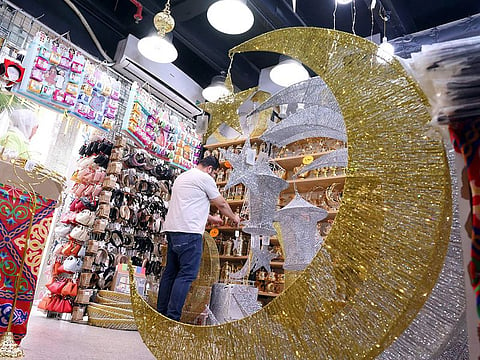
Dubai: Retailers across the UAE are preparing for one of the busiest shopping weekends of the year, as households complete their final stock-ups before Ramadan begins. The surge is a recurring seasonal pattern, though the way people are shopping is evolving, thanks to stronger price monitoring and widespread promotions.
Demand tends to spike in the final days before the holy month because shopping is tied to preparation. Families plan for iftar gatherings, home cooking and hosting, which pushes up purchases of pantry staples, dining essentials and gift items.
Fatima Zohra Bekri, CEO and founder of Tissist, said the weekend consistently produces one of the strongest retail surges of the year. “Consumers are consolidating their shopping into fewer trips, but with significantly larger basket sizes,” she said, noting that households are planning ahead for hospitality and extended home dining.
Shoppers also tend to seek psychological readiness before Ramadan begins, which translates into faster purchasing decisions and heavier footfall across malls and grocery destinations.
Promotions pull shoppers in
Pre-Ramadan offers remain a major factor drawing consumers into stores this weekend. Discount campaigns, bulk bundles and multi-buy deals are encouraging families to complete their purchases before the month starts.
Vijay Valecha, Chief Investment Officer at Century Financial, said offers typically drive much of the footfall during this period, though spending behaviour has become more practical over time. “Promotions still drive footfall and spending, but it’s less about impulse buying now,” he said. “It’s more planned, value-focused shopping, enjoying the festive season while keeping finances in check.”
Households are increasingly comparing prices, choosing larger pack sizes and taking advantage of app-based cashback offers. Convenience is also influencing decisions, with ready-to-cook meal kits, pre-packed Ramadan grocery boxes and home delivery options gaining popularity.
Core food staples — including rice, flour, sugar, cooking oil, frozen goods, dates and beverages — are expected to record the highest volumes this weekend. In parallel, we anticipate strong performance in home dining accessories, Ramadan décor, modest fashion and curated gift hampers.

The scale of seasonal spending remains significant. Valecha said retail expenditure during Ramadan reached about $10 billion in 2025, while grocery spending typically rises sharply in the weeks leading up to the month.
Staples dominate, with strong demand beyond food
Food and grocery categories are expected to account for the largest share of sales this weekend. Items such as rice, flour, sugar, cooking oil, dates, spices and frozen iftar snacks tend to see the strongest spikes during preparation periods.
Bekri said demand will also extend to adjacent categories such as home dining accessories, modest fashion and curated gift hampers, reflecting the broader role of Ramadan in social gatherings and family life.
Electronics and home appliances often record higher evening footfall as shoppers use promotions to upgrade household items or buy gifts. Online channels also experience a surge during Ramadan, supported by cashback deals and fast delivery options.
Price vigilance boosts confidence
Inspection teams will conduct hundreds of visits during Ramadan, while a digital monitoring system now tracks pricing across more than 600 major retail outlets in real time.
Among shoppers, the increase in offers during the period is expected to be the key driver of footfall. This is well evident from the rise in purchases of high-priced, high-quality products during the period. According to research firms, nearly 31% of active consumers are expected to buy into flashy deals. 40% of UAE consumers plan to buy electronics during Ramadan, with 24% actively browsing. Consequently, E-commerce revenues rise 30–50% during Ramadan compared to baseline months.

Valecha said this oversight helps strengthen consumer confidence at a time when spending rises. “Consumers are assured of a reliable supply of essential goods,” he said, adding that the system reduces concerns about price hikes and discourages unnecessary stockpiling.
Bekri also noted that price vigilance creates stability in the retail environment. “It reinforces consumer trust at a critical period when spending on essentials increases significantly,” she said, while encouraging retailers to compete through supply chain efficiency and customer experience.
Expect crowded aisles and heavier baskets
Retailers expect peak footfall to build through the weekend, with grocery outlets and shopping malls seeing the sharpest traffic. Many stores have increased inventory levels, extended operating hours and strengthened logistics to handle the surge.
This weekend’s rush reflects a broader shift in consumer behaviour. Spending remains strong, yet households are planning more carefully, seeking genuine value and relying on regulatory safeguards that ensure price stability.