Gold has cooled from record highs, but one fresh shock could send prices higher again
WGC says gold may stay rangebound unless fresh risks trigger another rally
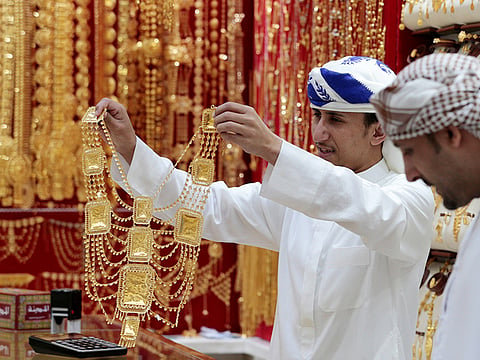
Dubai: Gold buyers may get some breathing room in the second half of 2026 after prices cooled from January’s record highs, but the metal could still break higher if geopolitics flare up, rate expectations change or bargain hunters return in force, according to the World Gold Council.
Gold had one of its most volatile starts to any year, rising above $5,500 an ounce intraday in January before slipping below $4,000 in late June. The metal is now down about 7% since the start of the year, although it remains one of the best-performing major assets over the past 12 months.
Get updated faster and for FREE: Download the Gulf News app now - simply click here.
The World Gold Council said gold is currently broadly aligned with a global backdrop of moderate growth, cooling but still high inflation, and expectations of further but limited central bank tightening. Under those conditions, gold may trade in a range of about 5% either side of $4,100 an ounce in the second half of the year.
That could mean prices stay steadier after months of sharp swings, although the outlook remains vulnerable to sudden changes in investor sentiment.
Buyers watch for dips
The sharp fall from January’s peak has already brought some relief to consumers who had delayed purchases when gold was trading near record levels.
The WGC noted that the current price level does not point to a full correction, but a market waiting for its next trigger. A worsening economy, renewed geopolitical shock, lower interest-rate expectations or fresh dip-buying could push gold back towards $4,500 an ounce or above.
A stronger signal could send prices even higher, although resilient growth, higher yields and calmer markets could keep gold under pressure.
The report stated that a fall of more than 10% from current levels may be limited by bargain-hunting demand, with consumers, long-term investors and central banks historically stepping in after larger pullbacks.
Fed rates remain key
Interest rates remain one of the biggest swing factors for gold. Higher rates raise the opportunity cost of holding gold because the metal does not offer interest or dividends.
The WGC said bond markets and consensus expectations point to further policy tightening before the end of the year, including a possible Federal Reserve rate hike by October. A move back towards lower rate expectations would likely help gold recover.
The report noted a 25-basis-point drop in the US 10-year yield could lift gold by about 1.75%, all else equal. Inflation can also support prices, with a 1% increase in consumer prices linked to a 0.5% rise in gold under the WGC’s framework.
Geopolitical risk remains another important driver. The WGC said a 100-point monthly increase in its geopolitical risk index has historically lifted gold prices by about 2.5%.
Asia supports gold
One of the most significant trends in the first half was the growing role of Asian markets in gold price discovery.
The WGC said many of gold’s pullbacks took place during US trading hours, while rebounds generally happened during Asian hours. That points to stronger price support from Asian investors and consumers, particularly when gold falls.
Strong Asian buying on dips could make large price falls shorter-lived, especially during wedding and festive demand periods across the region.
Central banks remain a wildcard
Central bank demand is another support factor. Official institutions have bought an average of about 1,000 tonnes of gold a year since 2022, helping keep long-term demand firm.
The WGC explained that the central banks are still expected to be net buyers this year, although questions remain over the pace of purchases. Its latest survey showed more reserve managers expect their own gold holdings to rise over the next 12 months.
The council estimates that an extra 20 to 30 tonnes of central bank buying above the long-term average could translate into roughly a 1% increase in the gold price, all else equal. A clear slowdown in central bank buying would create pressure in the other direction.
India demand may soften
India, the world’s second-largest gold market, could also influence the second-half outlook.
The WGC said India has introduced measures to moderate gold imports after pressure on the rupee and foreign exchange reserves. Import duty has increased from 6% to 15%, while official messaging has also aimed to curb gold buying.
The council estimates that the duty increase alone could reduce jewellery, bar and coin demand by 50 to 60 tonnes, or about 10% year-on-year. Much of that impact may already be reflected in prices, although weaker Indian growth could further reduce demand if consumers hold back from buying during dips.
What it means for shoppers
The second half of the year may bring a better buying window for shoppers than the first, especially if prices remain near current levels and avoid another geopolitical or rates-driven rally.
The risk is that gold’s downside may be limited if central banks, Asian buyers and long-term investors step in whenever prices fall. The WGC said gold could stay rangebound under current macro expectations, but the market still has clear triggers for a breakout.