Al Ghurair: Good developments hold rents when markets soften
Schools, jobs and a 15-minute commute reshape Dubai South as Al Ghurair launches Tessera
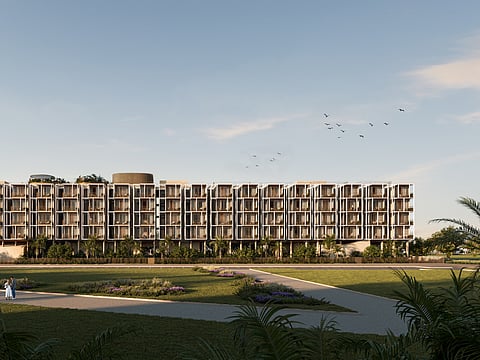
Dubai: Dubai South can now house the people who work there, says developer Sultan Al Ghurair, as his group launches Tessera, an 80-unit project of stacked townhouses, strategically located close to the Al Maktoum Airport.
Al Ghurair told Gulf News the area has changed, especially for staff at the Jebel Ali free zone, Dubai airport and nearby businesses. A decade ago, many lived in older parts of the city and had to commute up to 50 kilometres to get to work.
"I have an option now to live in Dubai South and commute 15 minutes to work rather than spending 50 minutes or 45 minutes or an hour," he said. Schools have opened. A new airport is on the way. He argues the district fits the city's wider urban plan.
Get updated faster and for FREE: Download the Gulf News app now - simply click here.
Market correction is inevitable
The group has helped build Dubai since the 1960s and were among the first to bring in a shopping mall concept with the opening of Al Ghurair Centre in 1981. "We've lived the development of Dubai and we see that there is a future," he recalls.
It also runs a large rental portfolio, so the softening in rents across certain parts of Dubai matters to them. Rates in Downtown and Marina have eased and Al Ghurair accepts that a correction is under way. "There will always be a correction in the market, markets cannot always stay up, there is some realism to what’s happening," he said.
He rejects broad claims about whole districts' rental rates dropping, calling them "very generic". Well-designed developments in the right setting, he notes, keep their demand when prices wobble. "If the product you create doesn't work for an end user, you're not going to be able to rent it out," he explains. That makes the end user and the investor the same buyer, in his view.
The idea of floating homes
Oversupply does not worry him. Dubai has no monopolies, he observes, and open competition benefits consumers. Tessera follows that logic. The building offers two-bedroom-plus and three-bedroom-plus homes only. There are no studios or one-bedroom units. Residents get a gym, sauna, jacuzzi, library, rooftop pool and a cafe reserved for them. "Don't let the scale or the size deceive you," Al Ghurair says.
He contrasts that with living in a gated community, where residents drive to a community centre and look for parking. "Here you press a button. You take a lift down," he said. When asked whether a big name architect still matters to a mid-market buyer, Sultan said that it's all a part of what people are investing in. "You're not just buying a unit," he argues. He wants homes that stay relevant 10, 30 and 40 years on.
The developer has roped in Portuguese firm Aires Mateus to design Tessera, this will be their first project in the UAE. Their lead architect Maneul Aires Mateus describes his first visit at the site to feeling that sense of calm, which is what help shape his design for the project.
"We're going to make the building float," he recalls telling his team.
The design pulls homes outward and lets daylight run deep into the corridors. Common areas sit at ground level, open to the outside. "It's more transparent because you feel that life could get in," Mateus said. Asked whether Tessera opens the door to more Gulf work, he kept it short saying, "I don't have a business plan."
For Al Ghurair, the real test comes when the cycle turns. His aim is a project that holds its ground. "We want to be the least impacted," he said. Tessera is expected to be completed by 2028.


