UAE fuel prices for May 2026: Will they rise or fall sharply after Iran ceasefire?
Oil surged above $110–$120 in March, before easing into the current $90–$100 range.
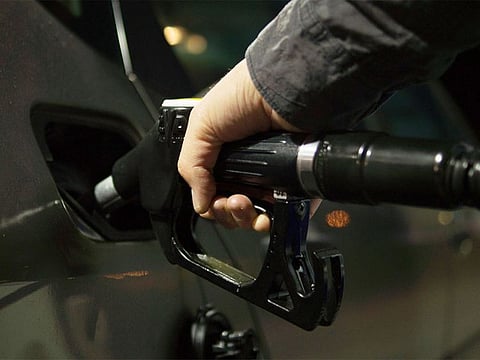
Dubai: UAE motorists are unlikely to see a sharp drop in fuel prices in May, even as global oil markets ease from March’s peak.
Get updated faster and for FREE: Download the Gulf News app now - simply click here.
Crude has pulled back—but not enough to signal a full correction.
Brent crude is now trading close to $99.29 per barrel, up 0.82% on the day
US crude stands at $90.71, rising 1.15%
Both benchmarks gained around 3% in the previous session, showing renewed upward pressure
This follows a period where oil surged above $110–$120 in March, before easing into the current $90–$100 range.
How UAE fuel costs will change
The UAE sets fuel prices based on the average oil price over the previous month. That creates a lag effect:
April prices reflected March’s sharp spike
May prices will reflect April’s lower—but still elevated—average
Likely direction for May:
Petrol prices: stable or slightly lower
Diesel: likely to remain elevated
Overall trend: no repeat of April surge, but limited relief
In short, the market is shifting from crisis pricing to stabilisation, not a full reset or reversal.
Why prices are not falling faster
Oil may have cooled from its peak, but underlying risks remain firmly in place.
The Strait of Hormuz remains constrained, with minimal vessel movement reported
Around 20% of global energy supplies pass through this route
A continued naval blockade is limiting supply flows
At the same time:
The US has indefinitely extended a ceasefire with Iran to allow negotiations
Markets remain cautious, pricing in uncertainty rather than resolution
Oil prices have already started edging higher again toward the $100 mark
This combination—partial de-escalation but ongoing disruption—is keeping prices supported.
What happens after a spike
Past UAE pricing cycles show a consistent pattern:
Sharp increases are usually followed by partial pullbacks, not immediate reversals
Prices tend to stabilise over one to two months before a clearer trend emerges
Diesel often lags on the downside due to tighter global supply
That suggests May is more likely to be a holding phase, rather than a correction.
Scenarios for May fuel prices
Most likely prices:
Oil fluctuates between $90–$100
UAE prices hold steady or edge slightly lower
When can costs rise:
Supply disruptions persist or worsen
Oil moves back above $100
UAE prices remain elevated
When can costs drop:
Strait of Hormuz reopens more fully
Supply normalises
Price relief becomes more visible in June rather than May
What motorists should watch
The direction is now tied to one variable: stability in global oil flows. So the focus will be on:
Movement in Brent crude around the $90–$100 range
Developments in US-Iran negotiations
Shipping activity through the Strait of Hormuz
April reflected the peak of disruption. May will show whether markets are stabilising—or preparing for another move higher.