Oil jumps more than 3% as Iran strikes rattle Strait of Hormuz fears
Traders brace for potential export disruptions as tensions flare around Hormuz
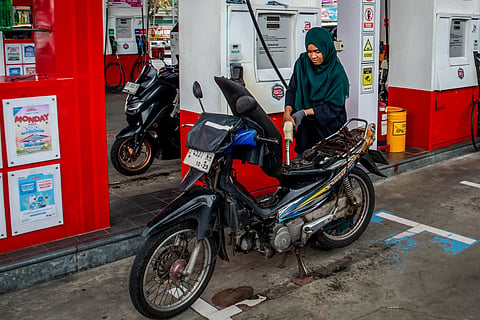
Oil prices climbed sharply in early Asian trading on Wednesday after renewed military strikes involving Iran reignited concerns over the security of the Strait of Hormuz, one of the world's most important energy chokepoints.
As of 8:15 am on Wednesday (July 8, 2026 Tokyo time), market data showed:
Brent crude: $74.16 a barrel, up $2.17 (+3.01%)
West Texas Intermediate (WTI): $72.43 a barrel, up $1.99 (+2.83%)
Murban crude: $68.97 a barrel, up $2.29 (+3.43%)
US natural gas: $3.271 per million British thermal units, up 0.18%
The rally followed reports of multiple explosions in southern Iran, including near Bandar Abbas, Qeshm Island and Sirik, shortly after the US announced what it described as "powerful" strikes against Iranian military targets following attacks on a Qatar vessel transiting Hormuz.
The developments heightened fears that fighting could spill further into the Strait of Hormuz, through which roughly one-fifth of the world's oil supply passes.
Traders have been closely watching the waterway since tensions escalated between Washington and Tehran.
Although oil exports through the strait have largely continued, markets remain highly sensitive to any military activity near shipping lanes because even temporary disruptions can quickly tighten global supplies.


