Hormuz traffic rebounds slowly despite ceasefire, well below pre-conflict levels
Strait of Hormuz traffic inches back as shippers stay wary despite US-Iran truce
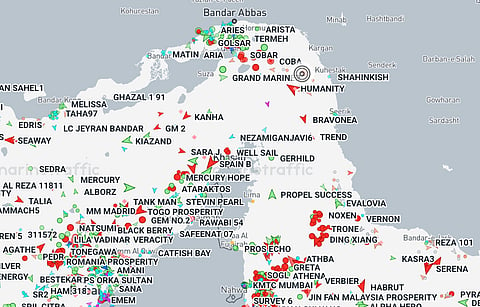
Commercial shipping through the strategically vital Strait of Hormuz is gradually recovering, but traffic remains significantly below normal levels following the recent US-Iran conflict.
According to MarineTraffic vessel-tracking data, 34 ships transited the strait on Tuesday, marking a modest improvement from the near-standstill seen during the height of hostilities. Even so, the figure remains well below the pre-conflict average of roughly 100 daily crossings, underscoring the lingering caution among shipping companies, insurers and energy traders.
The Strait of Hormuz — the world's most important oil transit chokepoint, through which roughly one-fifth of global petroleum supplies pass — was effectively closed by Iran during the conflict, disrupting commercial shipping and sending freight costs and energy prices sharply higher.
Its reopening became one of the central provisions of the US-Iran Memorandum of Understanding (MOU) signed on June 17, which committed both sides to the immediate resumption of commercial navigation through the waterway as part of broader confidence-building measures aimed at de-escalating tensions.
The agreement states that commercial traffic in the Strait of Hormuz would "immediately start," making the restoration of maritime trade a key benchmark for the ceasefire and the wider diplomatic process.
Closely-watched indicator
Industry analysts say a sustained increase in vessel movements will be closely watched as an indicator of whether shipping companies believe the security situation has stabilised enough to resume normal operations.
Crude oil prices slid further on Thursday morning (July 2, 2026, as of 8.12am Tokyo time) with WTI sliding to $68/barrel, down $0.58 or 0.85%; Brent crude dropped $1.38 to $71.119, or 2.51% while Murban was down to $65.64, down by $3.37 or 4.88%, as per OilPrice.com and Trading Economics data.
While traffic is steadily recovering, the latest shipping data suggests the maritime corridor has yet to return to business as usual, highlighting continued concerns over regional security despite ongoing negotiations between Washington and Tehran.
Industry monitors continue to track vessel movements through the Strait of Hormuz using satellite-based shipping data, maps and charts, providing one of the clearest indicators of the pace of the region's economic recovery.


