Middle East war: Global economic fallout, what's going on
Nations slash fuel taxes, curb power use and seek new crude amid supply shocks
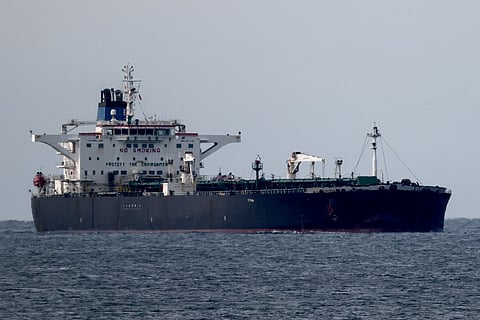
Oil prices rose and Asian stocks fell on Monday as the Middle East war escalated, with Yemen's Houthi rebels entering the conflict and investors increasingly concerned that the United States would send in ground troops.
Asian stock markets fell between one and three percent, and European markets opened mixed.
Brent was up more than three percent at near $109 a barrel and WTI rose more than two percent, pushing it past $100 a barrel to near $102.
Here are the latest economic events in the Middle East war:


G7 meeting
The French government said ministers from the G7 would hold talks on Monday on the economic consequences of the war in the Middle East.
Finance Minister Roland Lescure said the meeting would include energy and finance ministers as well as central bank chiefs and the heads of other international agencies.
Australia halves fuel tax
Australian Prime Minister Anthony Albanese said the country would halve a tax on fuel to reduce costs for motorists experiencing soaring petrol prices.
Australia charges a sales tax of 52 cents ($0.35) on each litre of petrol sold at the pump, which will be halved for three months.
Bangladesh orders energy saving
Bangladesh has ordered civil servants to switch off lights and turn down air conditioning to save power as the Middle East war worsens an energy crunch.
The public administration ministry issued a string of orders on office attendance, as well as electricity and fuel saving measures, ministry official Sakhawat Hossain told AFP.
Philippines secures Russian crude
The Philippines' sole oil refinery has secured nearly 2.5 million barrels of Russian crude, according to a stock exchange filing.
Petron said it had agreed to purchase the oil after seeing at least four million barrels in shipments cancelled since the start of the Middle East war.
Gulf energy targets
An Iranian strike on a power station in Kuwait killed one worker and caused "significant material damage", according to the Gulf state's electricity ministry.
Over the weekend, Iran claimed missile and drone attacks on two major aluminium plants in the Gulf, targeting what they described as industries linked to the US military.
Aluminium Bahrain said its facility was targeted and that two employees were wounded in an attack on Saturday, while the UAE's Emirates Global Aluminium said one of its sites in Abu Dhabi suffered significant damage and six people were wounded.
Iranian grid 'stable'
Iran has restored electricity in parts of the capital, Tehran, and nearby areas after strikes damaged power grids and briefly disrupted supply, deputy energy minister Mostafa Rajabi-Mashhadi said in an interview with state television.
US President Donald Trump has threatened to strike Iranian power stations if Tehran does not negotiate a peace deal, before repeatedly extending a deadline to do so.


