Iran vows to expand 'restricted zone' as oil exports crumble — yet Tehran says it’s ‘beating’ US blockade
Iran pushes enforcement beyond Hormuz amid steep collapse in oil revenues
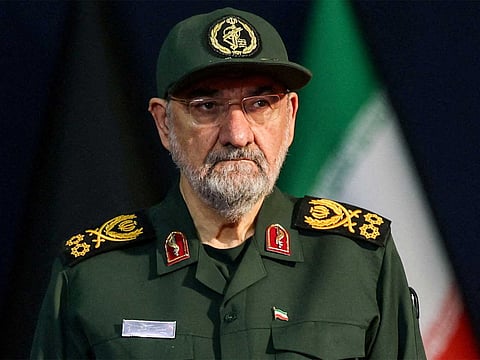
Iran is preparing to expand its maritime restrictions beyond the Strait of Hormuz, escalating an already dangerous confrontation with the US and raising fresh concerns for commercial shipping and global oil supplies.
Iran hardliner Mohsen Rezaei, 71, secretary of the Supreme National Security Council, said on Sunday that Tehran would announce a new “restricted zone” in the Arabian Gulf in the coming days.
The zone would begin at the line of the US naval blockade and extend into parts of the Gulf. Ships entering the area would be placed on an Iranian sanctions list, he said.
The announcement comes as Iran claims that it has effectively frustrated Washington’s attempt to control maritime traffic around the Strait of Hormuz.
Independent shipping and oil data indicate that the US blockade has inflicted severe damage on Iran’s crude exports.
Get it: Fast, verified news for FREE ... download the Gulf News app — simply click here
Iran: Hormuz is still under our control
Rezaei said Iran considers the Strait of Hormuz to be “completely controlled” by Iranian forces and portrayed the sharply reduced shipping traffic as evidence that Tehran has succeeded in imposing its own rules.
According to Iranian claims reported Sunday, only about seven or eight vessels, mainly humanitarian ships, are currently passing through the strait, compared with more than 100 before the US blockade.
Tehran has also claimed that it recently tested an anti-ship missile against a US vessel, although Washington has denied some of Iran's battlefield claims.
The new restricted zone would effectively push Iran's maritime enforcement farther away from the narrow chokepoint.
That is significant because the Strait of Hormuz is not simply an Iranian waterway. It is an international maritime route through which enormous volumes of oil and gas normally move.
Iran's oil exports take a major hit
Iran's claim of having “beaten” the blockade needs to be viewed against the economic reality.
Reuters reported that the US naval blockade has effectively halted much of Iran's crude exports since mid-July, with Iranian crude loadings falling from roughly 2 million barrels per day in March to only about 220,000-255,000 barrels per day in August.
The result is a squeeze on Tehran's access to foreign currency — particularly because China remains Iran's principal major customer for crude.
Washington's pressure has also substantially weakened Iran's leverage over Hormuz. Tehran expected threats to shipping to generate a major global economic shock, but diversified supplies and adjustments by international markets have reduced the impact compared with what Iranian strategists apparently anticipated.


