Iran regime faces new front as CIA-backed Kurdish forces prepare for fight: Reports
CIA allegedly arming Kurds to challenge IRGC forces on the ground
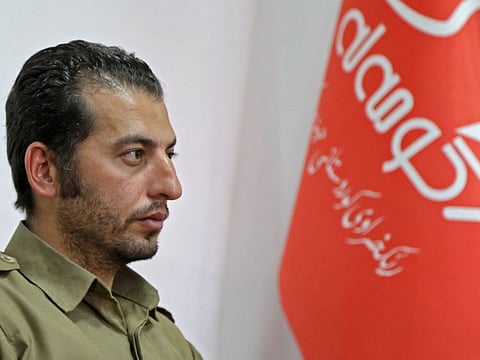
The US is reportedly engaging with Kurdish groups in ways that position them against the Iranian regime, including discussions on arming and supporting cross-border operations to tackle IRGC forces, US media reported.
The CIA is now working with some Kurdish groups, further building on historical US-Kurdish alliances (e.g., against Daesh/ISIS), potentially preparing for ground attacks against regime assets, amid the ongoing US-Israeli strikes, as per The New York Times.


Iran has repeatedly attacked bases of Iranian Kurdish opposition groups based in northern Iraq, including the Democratic Party of Iranian Kurdistan (KDPI), Komala, and the Kurdistan Freedom Party (PAK).
In 2018, the IRGC fired Fateh-110 ballistic missiles at Kurdish opposition headquarters in Koy Sanjaq in Iraq’s Kurdistan region, killing 18 people and wounding about 50.
In 2022, Iran launched dozens of missiles and armed drones at more than 40 targets linked to Kurdish groups in northern Iraq, killing at least 13 people and injuring dozens.
In March 2026, the IRGC again fired missiles at Kurdish militant camps near Erbil, saying it destroyed bases belonging to Komala and other groups.
On March 5, 2026, an Iranian missile has targeted the headquarters of a Kurdish groups insides Iraqi Kurdistan.
Iran argues these groups use Iraqi territory to stage attacks or unrest inside Iran.
Inside Iran, the IRGC has conducted counter-insurgency operations in Kurdish-majority provinces such as Kermanshah, West Azerbaijan, and Kurdistan province.
These include artillery shelling, drone strikes, and raids targeting Kurdish insurgent networks along the border.
White House denies report
While the White House has denied approving specific insurgency plans, multiple sources indicate active CIA involvement in providing weapons to Iranian Kurdish forces based in Iraq, predating the current conflict, with aims to spark internal uprisings, as per CNN.
President Trump has reportedly spoken directly with Kurdish leaders like Masoud Barzani about coordinating efforts, including potential ground incursions from northern Iraq, according to The Guardian, and US officials have explored air support for such moves.
Iran launches missiles vs Kurds
Iran has responded aggressively to these developments by targeting Kurdish opposition groups in Iraq's Kurdistan region.
According to Iran’s state news agency IRNA, the Islamic Revolutionary Guard Corps launched missile and drone strikes against bases of what it described as “anti-Iran separatist groups” in the autonomous Kurdistan region of Iraq.
Iranian officials said the strikes hit the headquarters of groups including Komala and other Kurdish opposition organiszations accused by Tehran of planning attacks inside Iran.
The operation reportedly involved several projectiles targeting camps near the Kurdish regional capital Erbil, though authorities did not immediately provide casualty figures, according to Iran's Press TV.
Attacks against Kurds
The attacks come amid heightened regional tensions and long-standing Iranian accusations that armed Kurdish groups operating from Iraqi territory are responsible for cross-border attacks and unrest in Iran’s Kurdish regions.
The US State Department has condemned these Iranian strikes, and Kurdish factions like the PDKI and PAK have claimed ongoing operations inside Iran, signaling their readiness to escalate with US backing.
'Deeper collaboration"
The likelihood of deeper US-Kurdish collaboration vs the Iran regime appears high, driven by the Trump administration's strategy to pressure Tehran through proxies and avoid direct US ground troops for now, according to PBS.
However, this risks broader instability, as Iraqi Kurds express fears of Iranian retaliation, and Iran has shown willingness to strike Erbil-area bases preemptively.
Meanwhile, moves in the US Senate to clip Trump's war powers failed, giving the administration more leeway.
If Kurdish groups launch offensives into Iran, US involvement could become overt, though outcomes depend on the conflict's trajectory, military campaign, diplomatic efforts, and the development of regional alliances.


