Cautious optimism as Iran weighs new US proposal amid 'progress' toward deal, nuclear framework
Iran, US inch closer to memorandum that could ease sanctions and calm Gulf tensions
Iran is reviewing a new US proposal aimed at ending the conflict that erupted earlier this year, with officials on both sides signaling cautious optimism that negotiations may soon produce a memorandum of understanding to halt hostilities and reopen broader diplomatic talks.
Iranian officials confirmed they are studying the proposal, but indicated major disagreements remain unresolved.
Uranium enrichment
Tehran reportedly continues to oppose demands for a complete halt to uranium enrichment and has linked any broader settlement to reopening the Strait of Hormuz and easing sanctions.


14-point 'framework' document
According to Reuters and Axios, negotiators are discussing a short framework document — reportedly a one-page memorandum containing around 14 points — that could serve as the basis for a ceasefire, sanctions relief, and future negotiations over Iran’s nuclear activities and regional security issues.
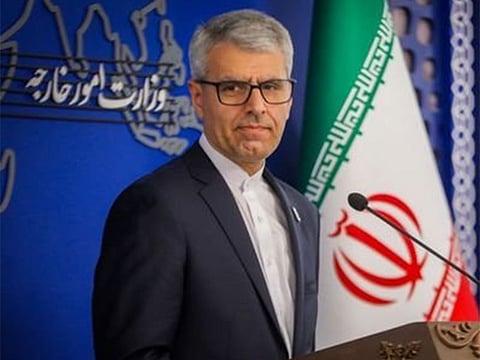
"The American proposal is still being reviewed by Iran and after concluding, it will inform the Pakistani side of its opinion," Iranian foreign ministry spokesperson Ismail Baghaei told the Iranian Students' News Agency (ISNA).
'Significant progress'
US President Donald Trump said talks with Tehran had progressed significantly over the past day.
“Very good talks” had taken place in the last 24 hours, Trump told reporters at the White House, adding that a deal remained “very possible.” He also insisted there was “never a deadline” for Iran to respond, despite previous warnings from Washington that military pressure could resume if diplomacy stalled.
Axios, citing "sources familiar with the negotiations", reported that both sides are "closer to an agreement than at any point" since the conflict began on February 28.
Possible compromise
One possible compromise under discussion would temporarily limit Iran’s uranium enrichment while allowing phased sanctions relief and the release of frozen Iranian assets.
Still, key sticking points remain.
Israeli Prime Minister Benjamin Netanyahu has continued to insist that any agreement must eliminate Iran’s stockpile of highly enriched uranium, while Iranian hardliners have warned against what they describe as pressure for “surrender.”
Diplomatic push sends crude prices tumbling
The diplomatic push has already affected global markets.
Oil prices fell sharply this week on hopes that a breakthrough could stabilize shipping through the Strait of Hormuz, one of the world’s most critical energy chokepoints.
Forward contracts for benchmark Brent crude dropped 7.83% to $101.3 (down $8.60), while WTI dropped below $100, at $95.86, though it's 0.82% higher at 7.43 am Tokyo on Thursday (May 7, 2026).


