Sara Duterte impeachment trial dominated by threat evidence, heated objections, political fallout
Prosecutors press death-threat case as defence cries politics, 'weak proof'
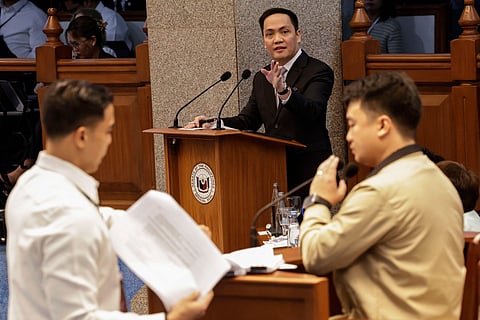
Manila: The Vice President Sara Duterte's impeachment trial centred homed in on prosecutors' continued drive to prove that her "kill video", a livestream during which she publicly threatened to have President Ferdinand Marcos Jr, his wife Lisa and former House Speaker Martin Romualdez assassinated, constituted "grave threats" and "a breach of public trust."
Defence lawyers challenged the evidence as politically motivated and legally insufficient.
Here are the key developments as of Thursday, July 9:
#1. Prosecutors continued presenting evidence on Duterte's alleged death threats
House prosecutors focused on video and documentary evidence surrounding Duterte's controversial remarks in which she said she had instructed a hired assassin to kill President Marcos, First Lady Liza Araneta-Marcos and former House Speaker Martin Romualdez if she herself were killed.
The prosecution argued the statements were deliberate, serious and incompatible with the constitutional responsibilities of the country's second-highest elected official.
Prosecutors said the case is about accountability and abuse of public office rather than politics.
#2. Defence insists remarks were 'taken out of context'
Duterte's legal team again rejected the prosecution's arguments, saying the Vice President's statements have been selectively quoted and distorted.
The defence maintained that the impeachment proceedings are politically motivated following the collapse of the Marcos-Duterte alliance that swept both leaders into office in the 2022 elections.
Lawyers argued that prosecutors have yet to prove any impeachable offense under the Constitution.
#3. Duterte remains absent but defiant
Vice President Duterte did not personally appear before the Senate impeachment court on Thursday, allowing her legal team to represent her.
She has repeatedly described herself as "bloodied but unbowed" and insists the impeachment is part of a broader campaign to eliminate her from the 2028 presidential race, where she remains one of the country's leading contenders, as per opinion polls.
#4. Senate impeachment court hears procedural arguments
Much of Thursday's proceedings involved procedural matters, including the admission of evidence and objections from both prosecution and defense.
Senator-judges continued weighing questions over the relevance and admissibility of documents and video recordings before allowing additional evidence to be introduced.
Legal observers said the rulings could shape how quickly prosecutors move to allegations involving confidential funds, unexplained wealth, bribery and corruption.
#5. Trial extends beyond the alleged threats
Although the alleged assassination remarks have dominated the opening days, Duterte also faces accusations that include:
Misuse of confidential and intelligence funds;
Unexplained wealth;
Bribery and corruption;
Betrayal of public trust; and
Culpable violation of the Constitution.
Prosecutors are expected to present financial records and testimony related to these allegations in later phases of the trial.
#6. Political stakes remain enormous
The impeachment trial has become one of the most consequential political events in recent Philippine history.
If convicted by at least 16 of the Senate's 24 members, Duterte would be removed from office and permanently barred from holding public office, effectively ending her expected bid for the presidency in 2028.
An acquittal, however, would not prevent separate criminal investigations or prosecutions.
#7. Trial unfolds amid wider political turmoil
The proceedings continue against the backdrop of deep political divisions and legal troubles involving several Duterte allies.
Two senators regarded as supportive of Duterte have been arrested on separate corruption charges, while another ally is facing an international arrest warrant, developments that have further intensified the political atmosphere surrounding the impeachment proceedings.
What's next?
The Senate impeachment court is expected to continue hearing the House prosecution's evidence before the defense formally begins presenting its case.
The trial is projected to run for several weeks, with witnesses, documentary evidence and cross-examinations expected to address the broader allegations of corruption, misuse of public funds and abuse of power.


