Bondi Beach terror suspects visited the Philippines: What Manila authorities found
Australia, Philippine authorities seek answers as to whether visit was linked to extremism
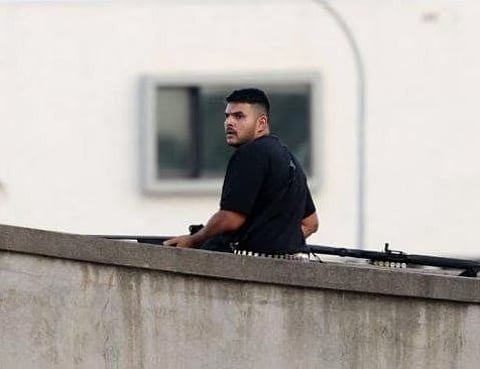
Manila: Australian authorities are intensifying an investigation into a month-long trip to the Philippines taken by the two men accused of carrying out the deadly mass shooting at Bondi Beach in Sydney.
A probe is on to determine whether the visit was connected to extremist activity, Australian media reported.
The suspects, 50-year-old Sajid Akram and his 24-year-old son Naveed Akram, travelled to the Philippines between November 1 and 28 2025, local authorities here confirmed to the BBC.
The trip came shortly before the mass shooting that killed 16 people and injured dozens more during a Hanukkah celebration at Archer Park near Bondi Beach.
What Philippine authorities said
Philippine immigration authorities confirmed to Australian and international media that Sajid entered the country on an Indian passport, while his son traveled on an Australian passport.
They flew from Sydney to Manila and onward to Davao in the southern Philippines, a region historically associated with militant activity.
Investigation into 'military-style training'
Senior counterterrorism officials speaking to the ABC News suggested the pair may have received “military-style training” in the southern Philippines — an allegation that is still under investigation.
While parts of Mindanao were once hubs for extremist groups like Abu Sayyaf and Islamic State affiliates, Philippine military officials have not publicly confirmed direct links between the Akram duo and known terror groups.
Australian police are attempting to map the exact locations visited and the purpose of the trip, amid questions over whether the visit was a genuine holiday or if it involved contact with extremist networks.
The authorities have described the inquiry as complex and ongoing.
Deadly Bondi Beach attack
On December 14, 2025, the father-son duo allegedly opened fire on a largely Jewish crowd attending the first night of the Hanukkah festival, killing 15 people and injuring 25 others, including children and elderly attendees.
The victims included a 10-year-old girl, a British-born rabbi, a Holocaust survivor, and individuals from multiple nationalities. At least eight of the injured remained in critical condition in hospital days after the attack.
One of the attackers, Sajid, was shot and killed by police as they responded to the barrage of gunfire.
His son Naveed survived but was critically wounded and remains under police guard in hospital.
Homemade Islamic State group (ISIS) flags and improvised explosive devices (IEDs) were found inside a vehicle used by the gunmen, prompting authorities to treat the incident as a terrorist attack inspired by extremist ideology.
Australian Prime Minister Anthony Albanese has publicly stated that all evidence to date indicates the attack was “motivated by Islamic State ideology,” and that the suspects appear to have been inspired by the militant group — though he also warned against assuming they were part of a broader network without evidence of collusion.
Voices of heroism and mourning
Amid the horror, stories of bravery emerged. A Muslim bystander, Ahmed al-Ahmed, was widely praised for tackling and disarming one of the shooters, likely saving numerous lives despite being wounded himself.
Memorials and vigils have sprung up across Sydney and other Australian cities, with thousands paying tribute to the victims and emphasizing unity against hatred and violence.
Ongoing Investigation
Police and intelligence agencies in both Australia and the Philippines are continuing their inquiries into the Akrams’ trip, communications, and possible contacts with extremist individuals or groups abroad.
Officials have cautioned that while there are clear indicators of ideological motivation, there is currently no verified evidence of an organised cell directing the attack.
As investigations proceed, authorities have urged the public to avoid speculation, focus on credible information, and support the broader efforts to prevent future attacks — even as communities grapple with the aftermath of one of the deadliest terrorist incidents in Australia’s history.


