Upgrades: Pakistan introduces major changes to ID cards, find out more
One Nation One Identity initiative enhances security and curb fraud
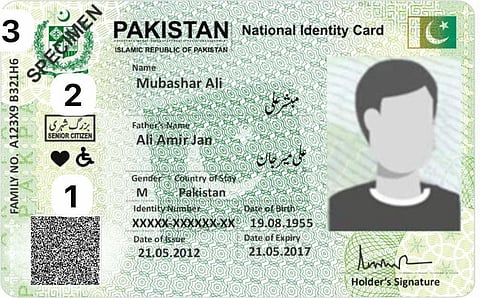
Dubai: In a landmark step toward a unified and digitally secure identity ecosystem, the Federal Government has formally upgraded Pakistan’s National Identity Card (NIC) and Pakistan Origin Card (POC) frameworks.
The amendments introduce QR-based verification, enhanced biometric features, stronger fraud prevention measures, and citizen-friendly services.


Security features
A centrepiece of the reform is the statutory adoption of the Quick Response (QR) code as a secure, machine-readable feature on all identity documents.
The QR code enables instant verification of encoded identity information and replaces the dual-format system of chip and non-chip cards, ensuring a uniform ID for all citizens.
The rules also allow NADRA to adopt “QR code or any other technological feature,” giving the system flexibility to incorporate future innovations without repeated legal updates.
Fast verification
The QR-enabled system strengthens Pakistan’s Digital ID ecosystem and integrates with the National Data Exchange Layer, allowing fast offline and online verification, reducing manual handling, and lowering the risk of fraud and impersonation.
Fraud controls have been tightened, with the Rules stipulating that any suspended card immediately loses all verification and authentication privileges across digital and institutional channels.
Biometric security
Biometric security has been upgraded through the formal recognition of fingerprints and iris scans, supporting a multi-modal authentication approach.
Citizen facilitation measures include lifetime-valid ID cards for individuals aged 60 and above, marked with a distinct senior-citizen logo to reduce renewal burdens and enhance convenience.
Standardised identification has also been introduced for residents of Pakistan-administered Azad Jammu & Kashmir, ensuring uniform geographic representation on identity documents.
Specimen formats
The government has further modernised specimen formats for all major ID categories, including resident citizens, overseas Pakistanis, child certificates, persons with disabilities, organ donors, and combined categories.
Each format now incorporates QR-based security features and updated layouts, creating a cohesive, modern identity document framework.
Overall, these 2026 amendments reinforce the legal and technological foundations of Pakistan’s national identity system, enabling secure, real-time verification, improving citizen services, reducing fraud risks, and preparing the country for integrated digital governance.