Maryam Nawaz launches bold police reforms to end fear and instill respect in Punjab
Punjab Chief Minister introduces accountability measures and community policing
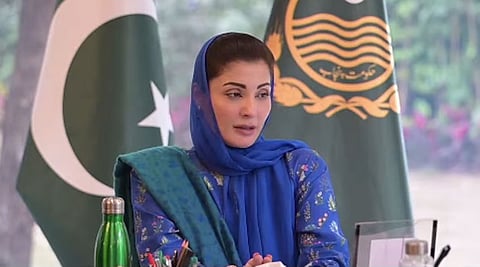
Punjab Chief Minister Maryam Nawaz Sharif has taken a bold step to reform the Punjab Police, a force long criticised for fear-driven enforcement, corruption, and poor public relations.
In a high-level televised meeting with Punjab Inspector General Abdul Kareem on Sunday, Chief Minister Maryam directed a complete overhaul of police behaviour, focusing on respect, professionalism, and accountability.
Do not harass public
“Police officers exist to serve the people, not intimidate or harass them. Teach them how to speak to citizens respectfully and groom them mentally. Those who fail to treat people with dignity will not be allowed to interact with the public,” she said in the meeting.
The Chief minister’s instructions emphasised using formal and courteous language, such as addressing citizens as “sir,” “madam,” “sahib,” or “sahiba,” instead of informal or abrasive terms that have historically alienated the public.
New initiatives
The initiative, part of the ‘Fast, Fearless, Transparent Justice’ program, outlines a multiphase reform plan aimed at building a police force that is accountable, citizen-friendly, and professional.
Respectful interaction: Officers on patrol, at checkpoints, service centres, and police stations will receive formal training in public engagement and body language. Complaints of misconduct will be recorded immediately, and officers will be required to wear body cameras to ensure transparency.
Accountability measures: Monthly performance evaluations will track adherence to professional conduct, while “panic buttons” outside police stations will allow citizens to lodge immediate complaints in cases of misconduct or negligence.
Counselling and training: Police personnel will undergo structured programs to unlearn harmful practices, cultivate ethical conduct, and adopt a service-oriented mindset.
Community policing initiatives: Chief Minister Maryam highlighted successful international examples, such as Japan’s model of student interns participating in policing activities. Local engagement programs during festivals like Basant will also be strengthened to foster trust between citizens and the police.
Through these measures, Punjab is seeking to transform a historically feared police force into a modern, transparent, and community-oriented institution, signalling a new era in law enforcement for the province.
Urgent reforms
Maryam Nawaz underlined the urgent need for reform, noting that Punjab’s 700,000-strong police force must demonstrate visible results in public safety and citizen engagement. “Limited personnel have shown they can establish peace; now the entire force must be effective. Police should protect the public, only criminals should fear them,” she said.
Complaints
The chief minister’s reforms come amid widespread complaints of intimidating behaviour by police officers, including abrupt language, harassment, and lack of accountability.
By formalising grooming, introducing body cameras, and emphasising courteous public engagement, the Punjab government aims to restore confidence in law enforcement and create a force that the public can trust.
“This is not just about rules or training. It is about changing the culture of policing in Punjab — ensuring respect, fairness, and dignity in every citizen interaction. A uniformed force that serves the public with integrity is the foundation of a just and safe society,” Maryam tweeted.