Pakistan’s weekly oil bill jumps to $800m amid Middle East crisis, PM says
Shehbaz says fuel costs surge from $300m pre-war levels
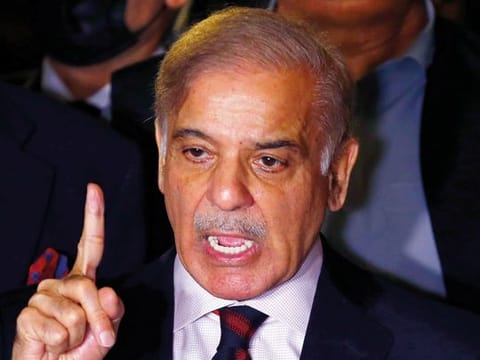
Dubai: Pakistan’s weekly oil import bill has surged to around $800 million, nearly tripling from pre-war levels, as global fuel prices spike due to the ongoing Middle East conflict, Dawn reported.
Prime Minister Shehbaz Sharif said the country’s weekly oil bill had risen sharply from about $300 million before the war, reflecting the impact of disrupted energy markets after the US and Israel launched strikes on Iran on February 28, the report said.
Shipping through the Strait of Hormuz — a critical global oil route — has remained paralysed, pushing up fuel prices worldwide and straining import-dependent economies like Pakistan.
Situation “satisfactory” despite pressure
Addressing a federal cabinet meeting, Shehbaz said the fuel supply situation in Pakistan now appeared “satisfactory”, crediting Petroleum Minister Ali Pervaiz Malik for efforts to manage the crisis, Dawn reported.
He added that fuel consumption had declined in recent weeks and said the government was closely monitoring the situation.
The prime minister also told the cabinet that consultations were under way with provincial governments to extend fuel subsidies to cushion the impact on consumers.
Economic strain after early gains
Shehbaz said Pakistan’s economy had been stabilising before the conflict, but warned that the war had set back two years of economic efforts, according to the report.
Despite the pressure, he noted that Pakistan’s foreign exchange reserves had remained stable, even after debt repayments, including a $3.45 billion deposit to the United Arab Emirates.
He also thanked Saudi Arabia for transferring a $3 billion deposit and agreeing to extend its existing $5 billion facility for another three years, providing crucial financial support.
Diplomatic push for ceasefire
The prime minister also highlighted Pakistan’s diplomatic efforts to ease tensions in the region.
He recalled the first round of Islamabad talks held on April 11–12 and said multiple diplomatic initiatives had been undertaken to help restore peace, Dawn reported.
Shehbaz praised Armed Forces Chief Field Marshal Asim Munir and Deputy Prime Minister and Foreign Minister Ishaq Dar for their efforts in engaging with key stakeholders.
He also referred to the April 21 ceasefire extension announced by US President Donald Trump, saying it followed sustained diplomatic outreach.
Iran outreach continues
The premier noted that Iran’s Foreign Minister Abbas Araghchi had made two brief visits to Pakistan in recent days, meeting with senior leadership to discuss the evolving situation.
Before departing, Araghchi had assured Pakistan that he would respond after consultations with Iranian leadership, Shehbaz said, according to Dawn.


