US braces for heavy snowstorm: Flights cancelled, supermarkets emptied, power outages likely
Heavy snow, ice, and Arctic temperatures threaten homes, flights, and daily life
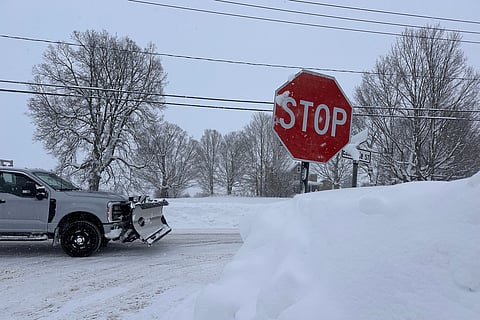
A massive, multi-day winter storm began sweeping across the United States, bringing freezing rain, snow, sleet, and dangerously cold temperatures to nearly half the country. Forecasters warned of catastrophic damage, especially in ice-covered areas, with widespread power outages expected.
Schools, flights, and events disrupted
Midwestern schools canceled classes, airlines scrapped thousands of flights, and major events were postponed or altered. Nashville’s Grand Ole Opry performed without fans, while Louisiana carnival parades were rescheduled.
Americans rush to prepare
Residents stocked up on essentials as the storm threatened at least 160 million people, raising fears of transportation disruptions, outages, and life-threatening cold. Dangerous ice and heavy snow were expected to move eastward, impacting the Midwest, Mid-Atlantic, and Northeastern states over several days.
Ice, snow, and power risks
The National Weather Service warned of “catastrophic ice accumulation” that could damage trees, down power lines, and make travel treacherous. Even regions unaccustomed to severe winter weather faced heightened risk.
Travel chaos
More than 2,700 weekend flights were already canceled, mainly in Texas. Flight disruptions are expected to peak on Sunday, with over 4,200 flights canceled so far. Officials emphasized that the power grid is stronger than during the deadly winter storm five years ago, though experts warned of ice-related threats to electricity infrastructure.
Millions under alerts
At least 182 million people were under ice and snow watches or warnings, with over 210 million facing cold weather advisories. Utility companies prepared for outages, and residents were urged to stay home and avoid travel where possible.
Government response
President Donald Trump said the administration is coordinating with officials and that FEMA is fully prepared. Nearly 30 search-and-rescue teams were placed on standby, with millions of meals, hundreds of thousands of blankets, and hundreds of generators positioned along the storm’s path.
Arctic blast intensifies cold
The storm is being followed by a surge of Arctic air, bringing dangerous wind chills as low as -40°F (-40°C) in parts of the Midwest. Frostbite could occur within minutes. Cities from Washington, D.C., to Boston brace for up to a foot of snow.
Power outages and frozen pipes
After the snow and ice pass, bitter cold will linger. Ice accumulation can topple power lines and tree branches, raising the risk of outages. Southern states, where electricity powers most homes for heating, are particularly vulnerable. Frozen pipes are also a major concern, with Atlanta plumbing companies preparing for emergency surges.
Northeast braces for heavy snow
Boston declared a cold emergency, Connecticut coordinated travel restrictions, and Philadelphia closed schools Monday. Authorities are urging residents to stay safe and avoid unnecessary travel.
Across affected regions, people are preparing to ride out the storm safely. Homeless residents, college students, and families alike are taking precautions, stocking supplies, and staying indoors where possible.


