UAE Insurer says medical claims up about 36% across Gulf in three years
Preventive care and early diagnosis drive changing healthcare trends in the Gulf

Abu Dhabi: Health insurance payouts by MetLife across the Gulf increased by approximately 36 per cent over three years, rising from $302 million in 2023 to $410 million in 2025, as more insured individuals accessed medical services ranging from surgical procedures and medicines to laboratory testing, according to the insurer's latest regional claims report.
The figures, which represent medical expenses paid by MetLife under its health insurance policies, highlight changing healthcare needs and the growing importance of preventive screening, early diagnosis and long-term care.
Maria Angeles Amezcua, Senior Vice President and General Manager of MetLife in the Gulf, said the findings reinforce the importance of looking beyond treatment to how health conditions can be prevented, detected earlier and managed more effectively.
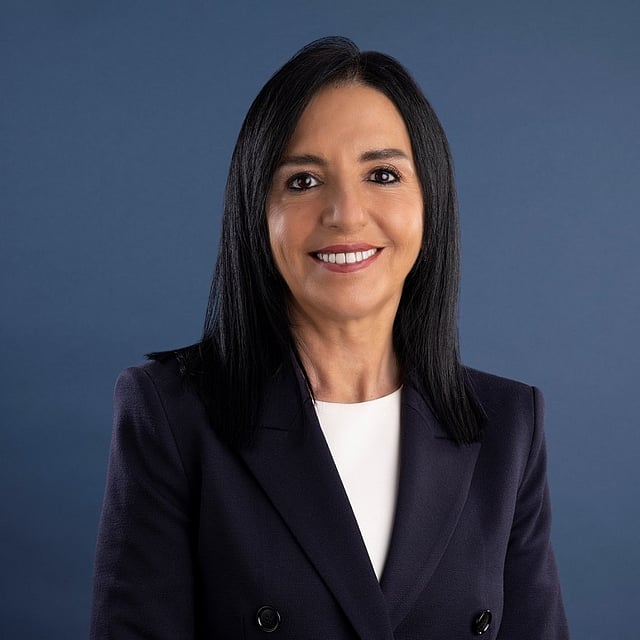
The way we think about health is evolving. Increasingly, the conversation is moving beyond treating illness towards prevention, early intervention and maintaining a good quality of life over the longer term.Maria Angeles Amezcua, Senior Vice President and General Manager of MetLife in the Gulf
Serious illness is not only a concern of later life
The case for early intervention is reinforced by the insurer's critical illness claims data. The average claimant age in 2025 was 48, an age when many people are in the middle of their careers and supporting families rather than approaching retirement.
"One of the most important observations from our regional experience is that serious illnesses are not necessarily conditions associated with later life," Amezcua said.
Women accounted for 66 per cent of cancer-related claims across MetLife's Gulf portfolio in 2025, with breast, thyroid and colorectal cancers the most common.
Amezcua said the priority is to ensure that awareness translates into action, with individuals fully aware of their health risks and encouraged to seek advice and follow-ups from health authorities. She also emphasised the importance of financial protection and support for those affected.
Why ongoing care matters
One area where ongoing care is particularly important is the management of chronic conditions such as diabetes, hypertension and high cholesterol.
These conditions often require medication, regular monitoring and lifestyle changes over many years.
For people in their forties and fifties, chronic conditions, including stroke and kidney disease, can affect not only their health but also their careers and lifestyles.
Making medication easier to access
One sign of growing interest in continuity of care appears in MetLife's latest report. New enrolment in the insurer's Chronic Medication Refill Program rose by 102.8 per cent in 2025 compared with the previous year. However, the increase relates specifically to the insurer's programme and does not indicate a wider population trend.
For people managing long-term conditions, removing small barriers, such as the hassle of arranging repeat prescriptions, can make it easier to stay on track.
The shift is particularly relevant in the UAE, where national health initiatives are placing greater emphasis on preventive screening, early diagnosis and helping people manage chronic conditions.
Taken together, the findings point to a shift from treating illness to preventing, detecting and managing it.
With serious illness affecting people in the middle of their careers, and more policyholders turning to services that make continuing care easier, the message from the insurer is clear: acting early and staying on course with treatment matter as much as the treatment itself.


