Dubai Loop construction begins: How the high-speed underground tunnel network aims to slash traffic
High-speed people-mover aims to slash DIFC–Dubai Mall trips to three minutes
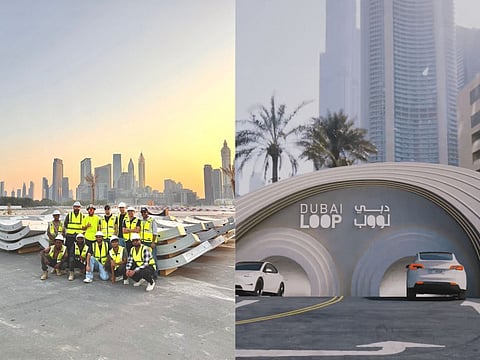
Dubai: Dubai Loop, the high-speed underground road network being developed by Elon Musk's Boring Company in partnership with the Dubai government, has entered its foundation-laying stage.
The Boring Company shared a photo on social media on July 3 showing workers standing in front of a stack of concrete building material, with the Burj Khalifa rising in the background.
The tunnelling firm underscored the scale of the undertaking, saying the project's initial stage will require 25,000 pieces of precast concrete, weighing a combined 45,000 tonnes. Here's everything we know about the project so far.
The underground transport system is being built at an initial investment of about Dh565 million ($153.85 million). Its first phase will span 6.4km, paving the way for a full network extending up to [22.2km/24km - please confirm], with 19 stations connecting Dubai World Trade Centre and the financial district to Business Bay.
Get updated faster and for FREE: Download the Gulf News app now - simply click here.
How will the Dubai Loop work?
The system is designed to move people, not cars. Passengers will book trips at stations and be transported underground without driving at any point.
The Dubai Loop will operate as a people-mover system, focusing on first- and last-mile journeys while bypassing surface congestion.
Electric vehicles will carry passengers through dedicated underground tunnels, with trips starting only from designated stations. Private cars will not enter the system. For example, if you are in the DIFC area and want to go to Dubai Mall or a destination on the way, you go to the station and order the service.
The electric vehicles will move independently through the tunnels using an operating system, delivering passengers directly between stations. The tunnels, with a diameter of 3.6 metres, are built specifically for this purpose and are not accessible to the general road network.
Will the Dubai Loop reduce traffic?
The 6.4-kilometre pilot route will connect Dubai International Financial Centre to Dubai Mall, cutting travel time from around 20 minutes to about three minutes.
The pilot route is expected to serve around 13,000 passengers per day, while also addressing first- and last-mile connectivity challenges. The full route is projected to have a total capacity of about 30,000 passengers per day.
This article was published on February 05, 2026 and has been updated since.


