Souq to help expats buy Emirati products
Traditional market expected to open in Naif in January
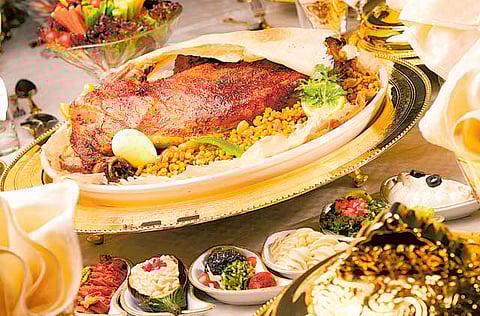
Dubai: Come next year, expatriates who want to indulge in Emirati cuisine, dress up in traditional jalabiyas and perfume their homes with bukhoor will no longer be confused as to where to buy such products.
With a population of almost 4.3 million in the UAE, made up by 82 per cent of expatriates, authorities have taken the initiative to introduce residents to Emirati markets that have been, until now, scattered across Deira and Bur Dubai.
Products made by Emiratis will be the selling point of the traditional market, and as Rashad Bukhash, Director of Architectural Heritage Department, pointed out, “there will be nothing that’s made in China.”
“We have places of history and modernity that can be found side-by-side, but now for the first time, we will have a market under one roof that [caters] to tourists and expatriates interested [in learning] about our culture,” said Bukhash.
“All the products on sale will provide economic support for the associations that currently manufacture locally-made items, ranging from carpets and food to qutras, abayas and sandals,” he said.
Located in Naif, Deira, the traditional souq is expected to open this month, and will cover 6,125 square metres. The number of tenders who want to open their shops at the souq is already quite high, as there are 200 applicants for the 98 shops on offer.
The souq will also feature a traditional restaurant, cafeteria for snacks, a prayer hall for women, in addition to the internal and external squares for kiosks, folk celebrations, festivals and a Friday market.
Having reviewed the final touches of the project, Hussain Nasser Lootah, director general of Dubai Municipality, explained that the souq incorporates modern facilities and green technology, which comes in line with best practices in the field of preserving heritage and traditional landmarks as it will be equipped with traditional architecture.
“This will be a market that sells [everything] traditional with unique facilities...and is aimed at maintaining the traditional values of the country and our forefathers, in creating an environment of culture and memories for the new generation,” he added.


