Abu Dhabi prepares abattoirs for Ramadan surge
Municipality ensures facilities, staff, and hygiene measures are ready for seasonal demand
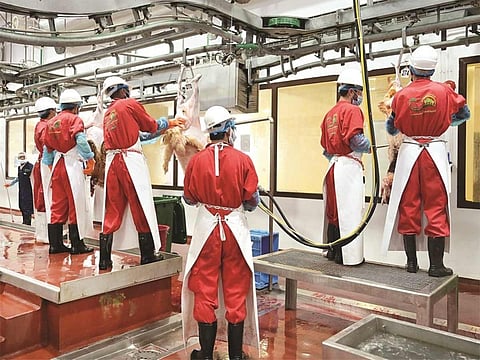
Abu Dhabi’s municipal authorities have stepped up preparations for the busy Ramadan season, confirming that abattoirs across the capital are fully ready to handle rising demand while maintaining strict health and safety standards.
The Abu Dhabi City Municipality said a series of operational and preventive measures have been completed at its key facilities, including the automated slaughterhouse at Abu Dhabi Port, as well as the Bani Yas, Al Shahama and Al Wathba abattoirs. The move comes as Ramadan typically brings a sharp increase in requests for meat processing and home delivery.
The Municipality stressed that public health remains a priority, with the Department of Public Health organising awareness sessions for workers to strengthen safety practices and customer service during peak periods. The sessions also covered managing work pressure during Ramadan and reinforcing hygiene procedures to protect both staff and consumers.
Maintenance work has been completed across equipment and facilities, while additional skilled butchers have been deployed to support operations. Veterinary teams have also been assigned to oversee comprehensive inspections of livestock before and after slaughter, ensuring that all meat meets approved safety and quality standards.
To reduce waiting times and improve convenience, the municipality has urged residents to use approved smart applications that allow customers to request, prepare and receive slaughtered meat at home within three hours. These include platforms such as Al Jazeera Al Khadra, Zabayeh Al Jazeera, Zabayeh Al Emarat, Thabihaty and Halal Mazare’na.
Special services will continue for senior citizens and people of determination, enabling them to complete procedures without leaving their vehicles. The municipality said this approach aims to make the process more accessible and comfortable.
The Municipality also renewed their warning against dealing with unlicensed mobile butchers or carrying out slaughter in homes, streets or public areas, citing health and environmental risks. Such practices, it said, could lead to legal action, fines and confiscation of livestock as part of efforts to safeguard public health and maintain community safety.


