Ramadan spirit is alive and well, residents say
Some say it is becoming too commercial but still feel it is a special time of year
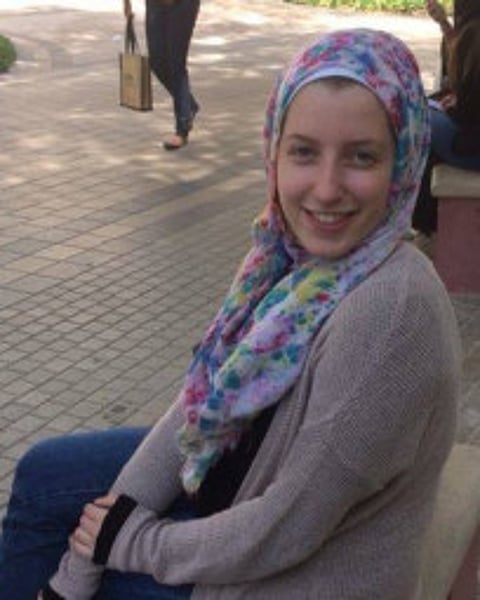
Dubai: Ramadan has become like any other month, said Palestinian student, Saif Khalil, 20, who believes it has lost its spirit.
“It was different when I was younger. We used to compete to finish reading the Quran first. We used to visit family’s houses almost every day for iftar. Now it is all about shisha outings, eating and TV series.”
To Khalil, Ramadan means being surrounded with family for iftar and focusing on prayers and worship. He believes that today, times have changed, friends have replaced family and people only perform ‘fard’ (mandatory prayers) and not ‘sunna’ (additional prayers).
“I don’t know what went wrong but things have changed. I spend most of Ramadan with friends. I do fast all through Ramadan and I do pray all the fard but that’s it. After that, I spend my day like any regular day. I feel that Ramadan is like any other month now.”
Saif admits he fell into bad habits last Ramadan — like spending most of his time asleep during the day. He said he does not experience mood swings but has noticed that others do, especially when it comes to driving.
“I think it is up to the family to keep the spirit of Ramadan alive and teach their children from a young age about its true meaning.”
Syrian national Afaf Al Kharfan, 20, on the other hand, believes the spirit of Ramadan is alive but people do not see those who are practising it correctly as there is a lack of activities among the Muslim community.
“No doubt restaurants and TV stations capitalise on Ramadan. But there are a lot of people who are doing it the right way. You do not get to see them because they are at home praying.”
In other countries, Afaf said, neighbours get together during Ramadan. She gave an example of the US and its Muslim community.
“When you go to these places, you feel the spirit of Ramadan. But since there aren’t many activities here, you don’t see it. It disappoints me that there is a lack of activities among the Muslim communities.”
Afaf said that she tries to focus more on worship during Ramadan. Ramadan for her is a time to reflect on the year and make new resolutions.
When it comes to bad Ramadan practices, Afaf said she does not have any. “To me Ramadan is spiritual. I don’t get grumpy and I don’t focus on entertainment. I spend my time praying and watching Islamic lectures.”
Jordanian Jihad Barhama said living in Sharjah, which was named the ‘Cultural Capital of the Arab world’ by the UN for promoting Arab and Islamic values, makes him believe the spirit and essence of Ramadan is alive.
“Sharjah is known for its mosques and for being deeply rooted in Islam and because I live there, I still feel its essence is alive. I spend my day either working or studying while fasting. I also make sure to pray and go to the mosque for Taraweeh prayers at night.”
Barhama believes the values of Ramadan are alive because of his family. “I don’t really focus on TV shows or go to cafes because my family does not allow it. Instead, while waiting for the prayers, I catch up with friends and the news. The majority of the time, though, I am busy with work, studies or volunteering.”
Another factor that has helped Barhama maintain his spiritual pursuit during the month is being surrounded by friends with similar beliefs and practices.
“People tend to forget what Ramadan is about. It is not only about fasting and praying the fard [mandatory prayers]. It is about getting closer to God; it’s about becoming spiritual.”
Samer Abu Snenieh, 33, team leader at the National Bank of Abu Dhabi, said: “The way of observing the holy month of Ramadan is really a matter of personal choice.”
He said Ramadan is still recognised as such all over the Islamic world. People do attend mosques more regularly than they do in other months. People seeking Umrah are also in high spirits during Ramadan. Islamic lectures and sessions are being conducted throughout the month, with many people attending.
Charitable
People also tend to observe their social obligations more during Ramadan. People become more charitable and help people in need. Family relationships also become tighter during this month.
Abu Snenieh said: “Governments do realise the need of its people to observe Ramadan in the right spirit, and are investing in and supporting those spiritual and religious events to promote the right values of Islam during this month.”
On the other hand, the past two decades have seen this month being commercialised with TV channels spending more money on their Ramadan programming.
Also due to shorter working hours, a huge segment of people tend to spend their time attending social events. Spending time in malls and “Ramadan tents” late at night is becoming the norm for many people during this month, he said.
“Therefore, as I mentioned earlier, it’s up to the individual to choose their path and the way they would like to observe this holy month,” Abu Snenieh said.
“In order to truly commit to Ramadan as a ritual, a person has to understand the reason of its existence as a holy month and the message behind it,” he said.
However, when it comes to the amount of food spent during Ramadan, he thinks that Arab societies are generally very generous and therefore, focus on feasts as a way of respecting their guests.
“People are fasting and sleep less during the month for different reasons, which results in them having less energy to be productive at work.”
Afaf Yousuf, 54, a teacher, said Ramadan has always been a month with a spiritual, religious and social environment that differs from other months. “Back in my day, Ramadan was a month when people devoted themselves and their time to worshipping Allah and strengthening the bond among families and loved ones. Many earlier traditions have died, such as having ‘Al Musaharati,’ the man who roams the streets, beats the drum and sings songs during Ramadan to wake people up for their pre-fasting meals, better known as suhour”.
Mohammad Hourani, 28, a TV advertising and commercials producer, said, although Ramadan has always been a big religious occasion, major marketing corporations have taken over this period. TV stations are investing millions of dirhams in TV programmes and shows that deviate from the spirit and values intended for this month. Hotels set a trend, which was picked up very quickly with Ramadan tents. I can go on and on with examples of using Ramadan for commercial purposes.”
Of course, there are many people who devote their time to worship, said Hourani, but the temptations are there for people to distance themselves from the original practices of Ramadan. “The younger generation lacks guidance on the traditional practices of Ramadan. The new generation of parents have been influenced by other cultures in addition to the many temptations that surround them, which makes it difficult to recreate that single-minded father figure we had back then,” he added.
“One of the traditions I can say still exists, which I really enjoy too, is the social obligation of having family and loved ones over very frequently for the iftar meal. Families still make the most of this month to unite and get better acquainted with each other,” Hourani said.
“Ramadan is a period that I look forward to every year. People should look deep into the spiritual message behind it and do their best to observe it in the right way,” he said.
Farah Mahmoud, 18, said she no longer has the same feeling as when she first started to fast at the age of 10.
“I want to experience the same eagerness and spirit as I once had during Ramadan. I feel sad about its absence. In Ramadan, I am supposed to invest my time in reading the Quran and books on Islam and the hadith but now reading is like I am wasting my time. I don’t feel I am wasting my time, however, when I am chatting with my friends or am on Facebook, WhatsApp or Instagram.”


