Watch: How less time with family affects children
Emirati counsellor stresses on filling the gap, promptly addressing mental health issues
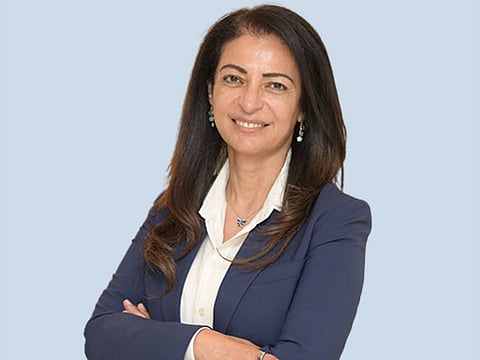
Dubai: Rampant urbanisation and the rise of nuclear families have created a greater sense of individuality, impacting the mental health of children in unique ways, a well-known Emirati psychologist and social counsellor in Dubai has warned.
Speaking to Gulf News, Dr Hind Alrustamani, Founder of the Aman Lil Afia Clinic, said, “In the past, extended families provided full support to individuals. The support system included up to five generations of the family living in one household (or area). They shared the same language, tradition, resources – financially and emotionally. They lived in close proximity which built a strong sense of belonging.”
She said, “Children grew up in a nurturing environment with less pressure and stress on the parents.”
Today, however, there is a sharp contrast.
“In the present, most families are nuclear families. Due to urbanisation, family time has become less, and individuality has created a new external professional support system. Advanced technology and the introduction of other means of communication through virtual meetings has meant less face-to-face interactions. Sharing sentimental moments has also become virtual. Even community support systems have had to adapt to the new kind of lifestyle. This has both advantages and disadvantages in meeting individual needs,” she noted.
Filling the gap
Dr Hind stressed on the need to fill the gap and identify children’s mental health problems early on.
According to Dr Hind, the stigma surrounding mental health requires to be eliminated, with greater acceptance of the idea of seeking professional help under the changed structure of families and communities.
“The earlier perception of someone being ‘crazy’ or ‘out of their mind’ created its own set of stressors. Those who had an issue with associated with ‘mental hospitals’. But we know better than that now, and we don’t jump to such labelling. Seeking help for anxiety or depression is no longer a disgrace or shame. It is as normal as going to doctor if you have a fever or flu,” Dr Hind said.
“When we are vulnerable, we need a safe, secure and non-judgmental environment to address the issue and feel validated again about who we are. And the earlier we seek this help, the better it is to cope with the challenge,” she added.
Dr Hind said family members can, with the help of assessors at primary health services and nurseries, tell if their child’s behaviour is not as per milestones or within prescribed norms. “It could be related to anything from walking, eating, sleeping, speaking or language accumulation. Developmental stages act as a string indicator.”
Dr Hind’s advocacy of adequate family and community support and early intervention for mental health problems among children gains significance in the light of the family being recognised as a “national priority” and 2025 being declared as the ‘Year of Community’ in the UAE.
On January 27, UAE President His Highness Sheikh Mohamed Bin Zayed Al Nahyan announced that 2025 will be observed as the Year of Community in the UAE.
“Hand in hand, we will work to strengthen social bonds, foster shared responsibility and unlock potential for inclusive and sustainable growth. To all those who call UAE home, I encourage you to think ambitiously and act boldly in contributing towards improving your community and ensuring that our nation remains an inspiring model of progress and prosperity,” he said.
Last year, His Highness Sheikh Mohammed bin Rashid Al Maktoum, Vice President and Prime Minister of the UAE and Ruler of Dubai, established the Ministry of Family.
“The family is the solid nucleus around which society gathers. It is the guarantor of the continuity of its cohesion and the strength of its individuals. Everyone, from fathers and mothers to national institutions, is concerned with supporting the formation and empowerment of the family,” he had said.
Problem signs to look out for in children
Dramatic changes in sleep and appetite.
Rapid shift in emotions
Social withdrawal and losing interest in activities that were enjoyable before.
Unusual drop in academic performance.
Losing concentration or focus
Increased sensitivity to sound, smell, touch.
Note: Those signs alone can’t predict a mental illness but may indicate a need for further assessment.


