New Dubai panel tackles overlooked signs of neurodiversity in women
Her Health Majlis session explores diagnosis gaps and the need for personalised care
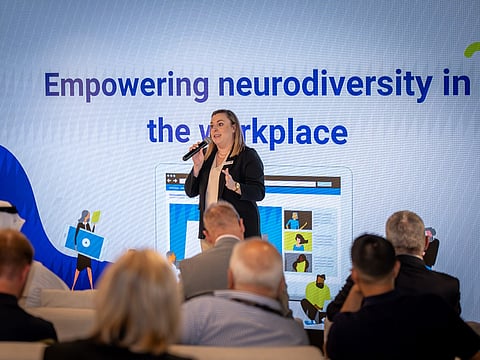
Dubai: As part of World Autism Acceptance Month, the Women’s Pavilion at Expo City Dubai is hosting a new discussion under its Her Health Majlis platform, aiming to highlight neurodiversity among women and address gaps in understanding and care.
The session, held in partnership with the Meem Foundation, American Hospital Dubai and PeriCare, forms part of the FemTech Hub, a series focused on women’s health through open discussions.
The upcoming panel, titled “Wired Differently: Neurodivergent Women and the Power of Redefinition”, will take place on April 29.
Get updated faster and for FREE: Download the Gulf News app now - simply click here.
Focus on lived experiences
The discussion aims to move beyond labels and explore how neurodiversity presents in women, an area experts say is often overlooked.
Shuruk Elwarrak said inclusion should begin with awareness, especially in workplaces.
“True inclusion happens when systems adapt to people, not the other way around,” she said.
She added that better understanding within hiring systems can help create more inclusive environments.
Challenges start early
Rana Akkad said the issue often begins in schools, where early signs in girls may go unnoticed.
She explained that symptoms can be more subtle and internal, making early support harder to provide.
“Inclusion means recognising that every child is different and needs support in a way that helps them feel safe and confident,” she said.
Healthcare gaps remain
Experts also pointed to gaps in how neurodiversity is understood in healthcare.
Sara Elsaid from American Hospital Dubai said many systems still rely on patterns seen in men and boys.
“This can lead to women being overlooked or misdiagnosed,” she said.
She added that many women grow up feeling something is wrong without understanding why, which can affect their confidence and mental health over time.
Sara Amhaz from The Lighthouse Dubai said there is a need for more personalised care that considers individual needs.
“Support should focus on helping women function and thrive at different stages of life,” she said.
Samira Cutts from King’s College Hospital added that many women reach clinical care after years of managing symptoms on their own.
Changing perceptions
Experts said one common misconception is that women who appear to be doing well are not struggling.
In reality, many are making extra effort to manage daily challenges.
They also noted that behaviours such as emotional responses or sensitivity are often misinterpreted, instead of being understood as part of neurodiversity.
Opening the conversation
Organisers said the Her Health Majlis aims to create space for open and honest discussions around women’s health.
By bringing together experts and lived experiences, the platform seeks to improve understanding and challenge stigma.
Officials added that such conversations are important in building more inclusive systems and better support for women.


