
What's in a Cornish sardine?
Cook this large, plump, and above all, very fresh fish by pan-frying
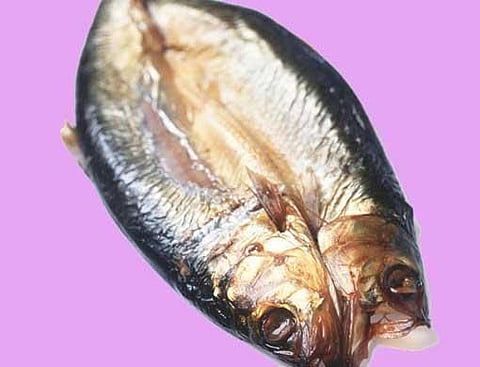
What a difference a name makes. We shouldn't really be surprised: chefs have always been wise to the special language used on menus to make ingredients sound more appetising. ‘Goose gizzards' may be a flop with the customers, but rename it as ‘salad Perigourdine', and it becomes the most popular dish on the menu.
What is new, however, is that an enterprising fish market in Cornwall has taken a leaf out of the menu writer's manual and cunningly re-branded one of its products. Hence pilchards have become Cornish sardines!
Oily fish
Some of us may remember pilchards: squat oily fish that came in cans with a glowing, carmine tomato sauce — the flesh was meaty but there was always that strange, rather mushy, core of backbone to munch through. Canned pilchards from South Africa were very much a feature of the wartime store cupboard, where they picked up the stigma of being food for the poor — a label which lasted well into the 1970s.
The irony is, the pilchard is the exact same fish as the sardine (the Latin name for both is sardina pilchardus, which is a bit of a giveaway). It all comes down to a matter of size: a large sardine is a small pilchard and a small pilchard is a large sardine.
But for the menu writer, the name sardine conjures up rosy memories of Mediterranean holidays, which the humble pilchard just cannot match. Cornish sardines are large, plump, and above all, very fresh fish. Martin Dickinson, head chef at senior fish restaurant, J Sheekey, is a great fan of Cornish sardines.
He pan-fries and serves them with a spicy piri-piri butter. If you have a traditional bent, you can always try out the Cornish cooking technique known as “scrowling'' — a rather wonderful word for removing the backbone of the sardines then placing a pair of flattened fish together with their skin sides outside. That way you can griddle them without scorching the fleshy bit, and they won't taste at all like pilchards.
Evening Standard


