
Honey: the sweet taste of wellbeing
Honey has long been recognised as a natural remedy and used as a medicine for centuries
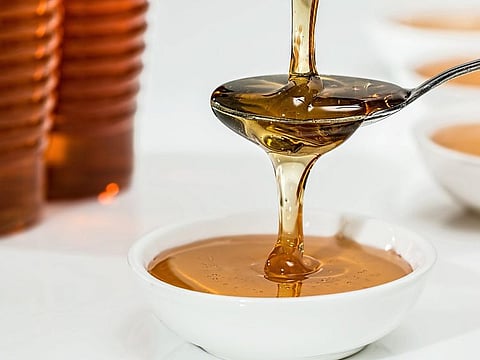
Honey has long been recognised as a natural remedy and used as a medicine for thousands of years.
Known to have a multitude of healing powers — from relieving sore throats and allergies to treating wounds — it also goes great with peanut butter.
From deep-flavoured buckwheat honey to delicate linden honey, this golden nectar is rightly prized around the world.
The word itself is derived from an Indo-European term meaning “yellow''.
There are hundreds of types of honey around the world, from New Zealand's Manuka honey (thought to contain beneficial bacteria that help ward off infection) to Sunderbans honey, gathered from the mangrove forests of Bangladesh.
Types of honey
Honey can be mild, spicy, buttery, fruity, herbal or woodsy, depending on the source of the nectar. The general rule is: the darker the colour, the stronger the flavour.
- Clover honey — the most common type — is light and neutral. It will sweeten but not dominate.
- Orange blossom honey is a light floral choice to use in recipes.
- Buckwheat honey has a bold, musky flavour (think of buckwheat pancakes).
- Linden honey is characterised by its herbal and aromatic notes.
Health benefits
- Research shows that at 64 calories, or one spoonful of honey, is more effective than any cough syrup and is safe for children over 12 months old.
- Other research reveals that its consumption raises antioxidant levels — chemicals which combat the free radicals that can damage cells. Honey is known to contain as many antioxidants as spinach, apples, oranges or strawberries.
In a study, 25 people were told to eat between four and 10 tablespoons of buckwheat honey, depending on their weight, each day for a month.
They could eat the honey in almost any form, but it couldn't be baked or dissolved in tea. Many chose to eat it straight. It was found that antioxidant levels rose in the participants.
Drinking four tablespoons of honey mixed in 16 ounces of water has been known to improve the antioxidant levels too.
- Eating honey with supplemental calcium appears to enhance calcium absorption.
- Health-promoting compounds found in honey could make this ingredient a more attractive option for food makers using bulk sweeteners such as high-fructose corn syrup and looking to jump on board the growing health foods trend.
Honey is composed of sugars such as glucose and fructose, and minerals such as magnesium, potassium, calcium, sodium chlorine, sulphur, iron and phosphate.
It contains vitamins B1, B2, B3, B5, B6 and C — all of which change according to the qualities of the nectar and pollen.
- It acts as an antibacterial and antifungal agent and helps disinfect and speed up the healing process in wounds, scrapes and burns.
Honey soothes on contact. Its antioxidant and antimicrobial effects help explain its contributions to healing wounds.
The honeycomb is used as a novelty — try spreading it on toast — but it's not useful in recipes.
Honey butters and creams are generally in a crystallised and semi-solid form; they're best used as spreads as they tend to be more expensive than liquid honey.
Honey as a beautifier
Due to the various vitamins and minerals it contains, honey proves to be a wonderful beauty aid that nourishes the skin and the hair.
- Honey mixed with ground almonds makes an excellent face-cleansing scrub.
- A tablespoon of honey whisked together with egg white, 1 teaspoon of glycerine and about 1/4 cup of flour makes an excellent firming mask.
Apply on the face, leave for 15 minutes and rinse off with warm water. You will be pleased with the results. - It makes a great moisturising pack. Just mix 2 tablespoons of honey with 2 teaspoons of whole milk, apply over the face and throat and let it do its job for 15 minutes. Rinse off with warm water and splash cold water after it.
- Honey also makes a great lotion for dry patches of skin. Just mix 1 teaspoon of honey with 1 teaspoon of olive oil and a 1/2 teaspoon of lemon juice. Apply to hands, elbows, heels or any other part of the body and wash off after 15 minutes.
- It works well on chapped lips and acne because of its antibacterial properties.
- To give your hair a lustrous shine, mix 1 teaspoon of honey in 4 cups of warm water. Use as a hair rinse. And if you have blonde hair, add the juice of 1 lemon to it.
- Mix 1 tablespoon of honey in a cup of warm water. Use it as a mouthwash. Honey cleans teeth and dentures and kills germs in the mouth.
Honey as food
- Add honey to porridge so when your body burns the natural sugar, it'll keep you warm when the weather's cold.
- Keep your fruit intake up by making a smoothie, using whatever fruit you like, with a teaspoon of honey — it will boost the antioxidant levels in your blood.
- Make a honey-and-banana sandwich for a quick and delicious snack any time, especially if you're on the go.
- Using honey in your tea or coffee instead of sugar is a good idea — honey is sweeter than sugar so you need to use less and it's lower in calories too.
- To make a speedy yet healthy pudding, just slice up a banana and drizzle with honey.
- When you need an instant boost in your energy levels, try a teaspoon of honey — neat.
Home remedies
- Mixing equal quantities of honey and ginger juice is a good expectorant. It helps in colds, cough, sore throat and runny nose.
- If you've got a cold, put a large teaspoon of honey in a mug, add a slice of lemon with a couple of cloves, top up with very hot water.
- For asthma, mix half a gram of black pepper powder with a honey and ginger juice mixture. Drink this mixture a few times a day.
- Honey can soothe and encourage the healing of sores in the mouth.
- A bowl of oats porridge with a spoonful of honey will calm the nerves.
- To improve eyesight, mix honey with carrot juice and take an hour before breakfast.
- To purify the blood, mix one glass of warm water with 1 to 2 teaspoons of honey and 1 teaspoon of lemon juice. It is great for reducing body fat and helps clean your bowels.
- Natural honey causes a lower rise in blood sugar than refined sugars in people with Type 2 diabetes.
Having gone through the benefits, you should now be raring to incorporate honey into your meals and drinks.
Blueberry smoothie
- 75g blueberries
- 1 small banana, peeled and cut in chunks
- 2 tbsp fromage frais
- 2 tsp acacia or regular honey
- 75ml milk
Place all ingredients in a blender and whizz smooth. Pour into a tall glass.
Two-minute smoothie
- 1 large mango peeled and stoned, flesh in scoops
- 1 banana, peeled and cut in chunks
- 300ml milk
- 1 tsp orange blossom or regular honey
Put all ingredients in a blender and whizz smooth. Pour into a glass.
Full of nutrition, these smoothies taste good and for a change, are good for you too.


