
Elegant presentation: plate as a pretty canvas
A good dish should delight the eye before it pleases the palate
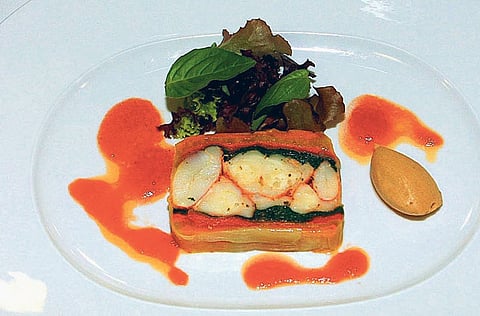
I was recently sent a copy of a book called Working the Plate: The Art of Food Presentation. It's a delightful tome that demonstrates some of the simpler techniques of restaurant food-stacking and sauce-smearing for the home cook. It has lovely pictures and a total lack of irony — and it got me wondering.
Food should delight the eye before it pleases the palate but when you turn up at a friend's place for a spot of tea and your plate arrives as an artful palette of smears and dusts, have things not become just a little silly?
History shows the way
There are fabulous historical precedents for elegant presentation. In many cultures feasting has meant a display of power through plenty and generosity. We know that the chefs of royalty created astounding works to honour their masters.
Victorian and Edwardian cooks developed a set of presentational tricks, which prescribed how ingredients should be presented — turned vegetable, carved fruit and tiny paper ruffs on the ankles of roast chickens — and platters of food at banquets were elaborately laid out.
It's documented that wars and depression subsequently brought Britain into something of a culinary Dark Age and by the time I first worked in a proper kitchen, the art of presentation in England was almost forgotten. Any effort expended on making things look appetising was restricted to "garnish".
The lowest cook in the pecking order would get garnish duty when he turned up for the early shift — it was the kind of thing you could trust a kid with when he couldn't do knives yet. It involved assembling little mounds of herbage and laying them out in lines on flatpans so the chef could grab them when slopping out the dishes at the pass. They were, surprisingly "seasonal" in that they varied throughout the year according to what was cheapest at the market.
Creativity on the rise
Then suddenly, over the horizon from France, Nouvelle Cuisine appeared. The new movement made many positive changes in the way we ate but perhaps the most lasting was in the way food looked. It was a shattering upheaval on a par with the realisation by artists in the early 20th century that art needn't be figurative. Cooks began experimenting with structures, patterns and fabrications on the plate unrestrained by relevance to the food. At a Victorian or Elizabethan banquet the communal dishes were sumptuous but they would be demolished in the serving. Now, for the first time in the individualistic 1980s, it was all about the personal plate. Where Victorian dining had been about monumental sculpture, nouvelle cuisine was about the plate as a canvas, an expression of the chef's creativity delivered personally to the diner.
In a modern restaurant, the chef can see himself as a single artist, the plate as his medium and the dining room and staff, like a good gallery, a neutral setting for his colourful genius.
We've certainly come a long way.


