How to travel Europe on a Dh3,000 budget: Best ways to plan affordable trips in 2026
From cheap flights to low-cost cities, here’s how UAE travellers can stretch Dh3,000
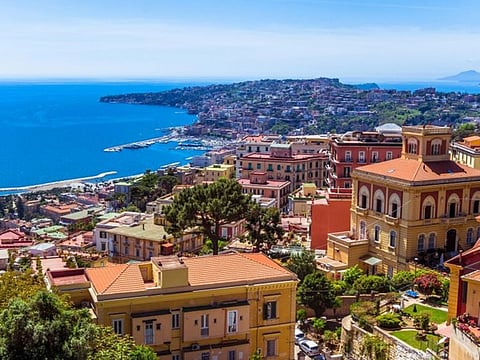
Dubai: Travelling to Europe from the UAE doesn’t have to drain your savings. With thoughtful planning, flexible dates and the right destinations, a Dh3,000 Euro trip is achievable — especially for UAE travellers planning their 2026 holidays early (possibly next week).
You can plan a 5–7-day trip to Europe from Dubai for around Dh3,000 by combining a low-cost shoulder-season flight, one to two affordable cities (ideally Eastern or Central Europe), and strict control of daily spending through hostels, transit passes, and supermarket meals.
Step 1: Budget
For a solo traveller, Dh3,000 can roughly cover: Dh1,000–1,400 for return flights to select European cities on low-cost or promo fares. You can set aside Dh1,000–1,200 for 5–6 nights in hostels/guesthouses, and Dh400–700 for food, transport and basic sightseeing.
Step 2: Choose dates and destination
Select 5–7 days in March–May or September–October for lower fares and milder weather. Focus on budget-friendly destinations such as Budapest (Hungary), Krakow (Poland), or Bucharest (Romania), where daily costs average Dh150–250, including basic expenses.
Step 3: Secure a Schengen visa early
UAE residents apply via VFS Global for a Schengen visa, costing about Dh350–450 in total (an 80-euro fee plus service charges).
Gather bank statements, salary certificate, itinerary, and insurance (Dh50–100); apply 1–2 months ahead to avoid delays or refusals.
Step 4: Book flights under Dh1,400 return
Use Skyscanner or Kayak to track promo fares from DXB/DWC; aim for Wizz Air, flydubai, or Pegasus to Eastern Europe starting Dh550–1,200 round-trip when booked 2–3 months out. Set price alerts for midweek dates and avoid school holidays.
Step 5: Find cheap accommodation
Book hostels or guesthouses via Hostelworld or Booking.com at Dh80–150/night; target shared dorms in central areas. For 5 nights, allocate up to Dh500—examples include Wombat’s City Hostel Budapest (Dh100/night) or Greg & Tom Beer House Hostel, Krakow.
Step 6: Plan daily spends under Dh200
Budget Dh50–70 for supermarket meals (bread, cheese, fruit), Dh20–40 for public transport passes, and Dh30–50 for free/cheap sights like walking tours or parks. Use apps like Citymapper for buses/trams and avoid taxis or tourist eateries.
Step 7: Pack smart and track expenses
Carry a reusable water bottle, power bank, and offline maps to cut costs. Use Splitwise or a notebook for daily tracking; withdraw minimal cash via fee-free cards like Wise. Total sample breakdown: flights Dh1,200, visa Dh400, stay Dh600, daily Dh800.
What to look out for?
Flights:
Start with the flights. They will account for the largest share of your budget, so timing is critical. Booking six to nine months in advance for 2026 travel can unlock the lowest fares, especially during shoulder seasons.
Look for:
Indirect flights via Eastern Europe or Türkiye
Budget airlines flying into secondary airports
Mid-week departures instead of weekends
Avoid peak summer and school holiday periods, when fares rise sharply.
Pick cities carefully:
Not all European cities are priced the same. Skip Paris, London and Zurich — and focus on Eastern and Southern Europe, where daily costs are much lower.
Best budget-friendly options include:
Hungary (Budapest)
Romania (Bucharest, Brasov)
Bulgaria (Sofia)
Poland (Krakow, Warsaw)
Portugal (outside Lisbon peak season)
Food, transport, and accommodation in these cities cost a fraction of what they do in Western Europe.
Travel during shoulder season
The cheapest time to travel Europe is March to May and September to early December (excluding Christmas).
Benefits include:
Lower airfares
Cheaper hotels and hostels
Fewer crowds at major attractions
Mild weather for sightseeing
This is where your Dh3,000 budget stretches the furthest.
Eat like a local, not a tourist
Food costs add up fast — unless you eat smart.
Money-saving tips:
Avoid restaurants near major landmarks
Eat at local bakeries, street food stalls and markets
Opt for lunch menus instead of dinner
Buy breakfast from supermarkets
In many cities, a whole meal can cost under Dh25 if you eat where locals do.
Limit country hopping
Trying to see too many countries increases transport costs. Instead:
Focus on one country or neighbouring cities
Use overnight buses to save on accommodation
Spend at least three nights per city
Slow travel is cheaper — and far less exhausting.
Final tip: Plan 2026 now
The biggest savings come from planning early. Set fare alerts, track prices, and lock in deals when they drop. For UAE travellers, budget travel in Europe is possible — if you start planning right now


